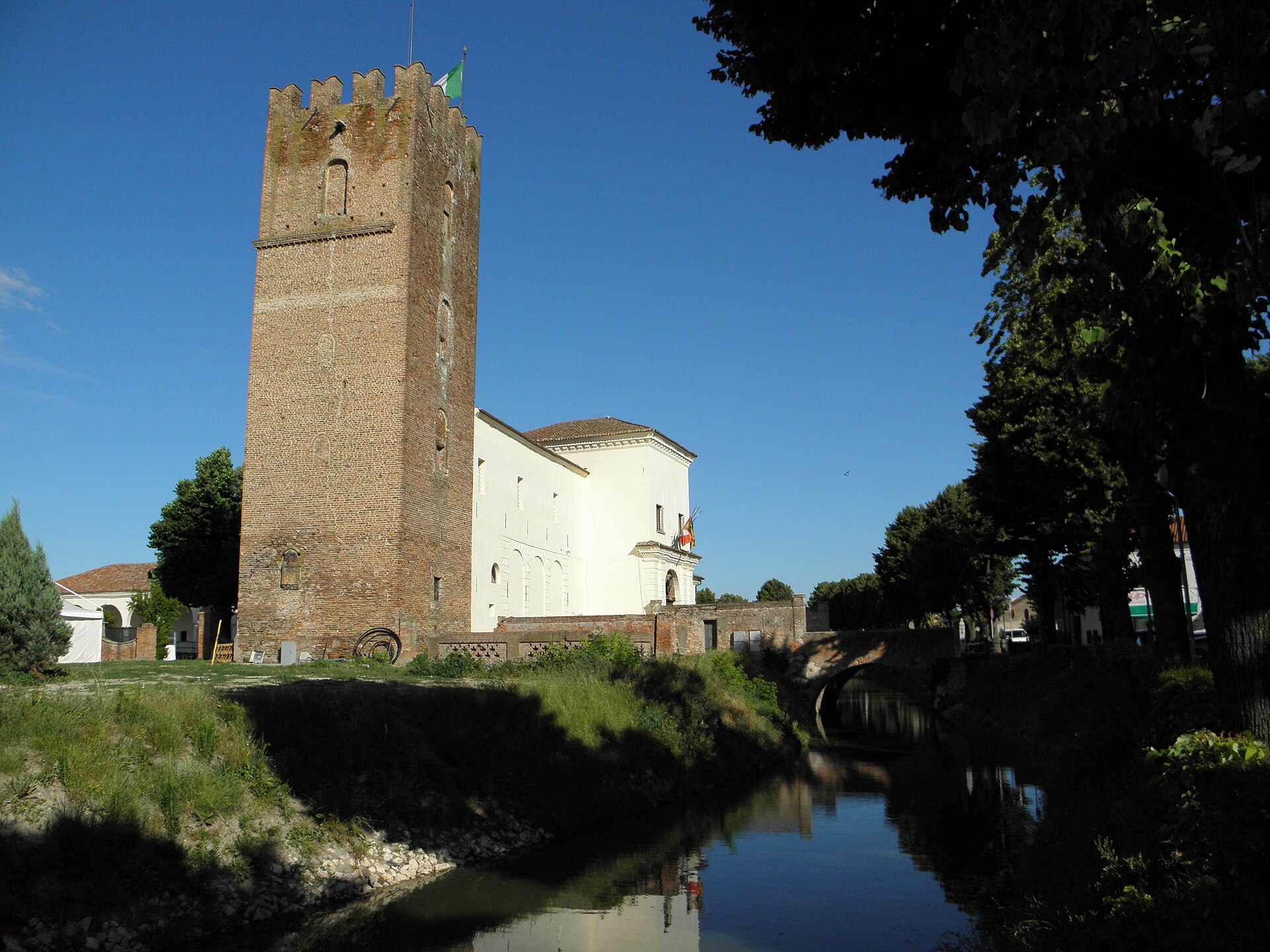
Italy’s national tourism portal calls it the best-preserved medieval monument in the Polesine. The castle of Arquà dates from the mid-12th century, and the sources give the year 1146.
According to the Veneto Region, between 1140 and 1146 Guglielmo III Adelardi of the Marchesella family had a series of fortifications built across the Polesine. They were meant to defend his lands from the ambitions of the Este family.
There is a paradox in the name. Today we call it the ‘Este’ castle, yet according to regional sources it was built by a lord who was fortifying himself precisely against the Este. History sometimes ends up naming a place after its rivals.
A fortress you can still read
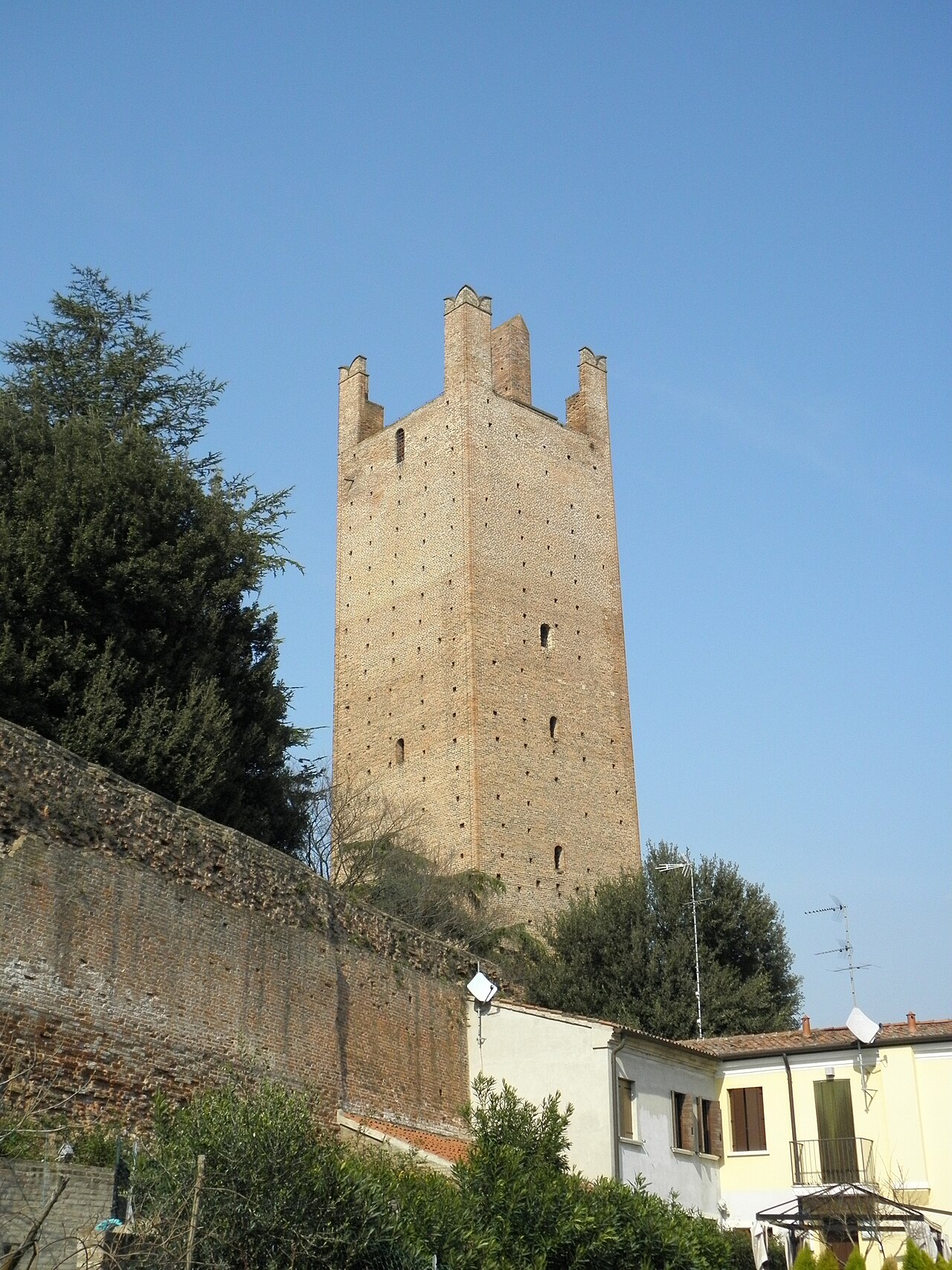
The layout is still clearly recognisable. There is a crenellated tower on three floors. There is the main block, opening onto a broad courtyard with thirteen 17th-century arches, the stables and the granary. And all around still runs the defensive moat, as in the centuries when it truly mattered.
Cross the courtyard and look up at the tower’s battlements, and you can measure how much space, and how much care, was given to defence.
From fortress to residence
At the end of the 15th century the Polesine passed to Venice; the Region gives the date as 1482. Under the new rule the castle lost its military role and became a noble residence.
To this second life belong the mythological frescoes of the piano nobile, the main floor. They can be dated between the late 16th and the early 17th century. Where once men kept watch for the enemy, people now lived among painted gods and heroes.
Around the castle
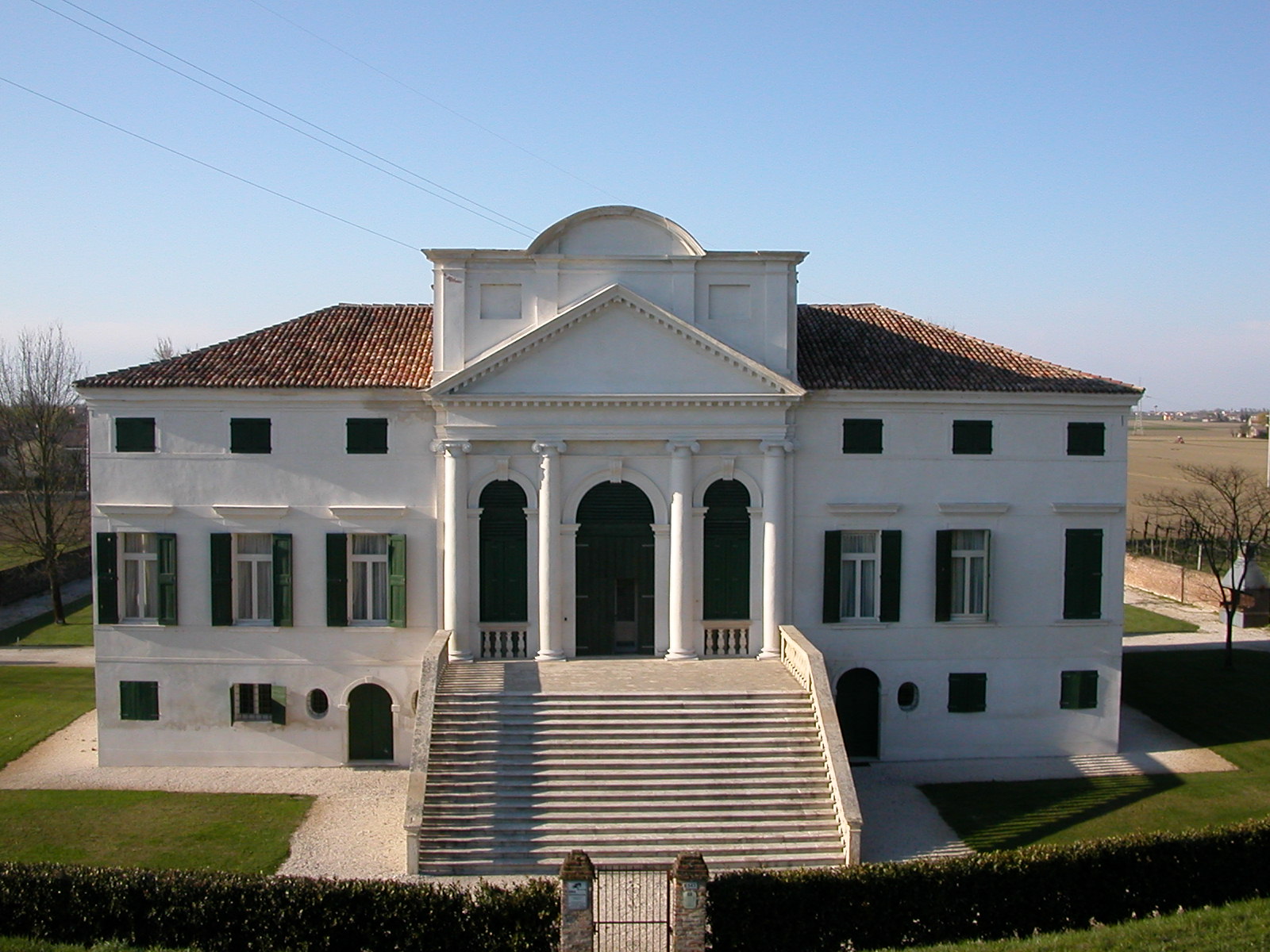
Beside the castle stands the barchessa, a rural service building. It housed the farm workers and perhaps the kitchens. Not far away is Villa Pasqualini Canato, a hunting lodge from the same period, with a fine garden.
The castle belongs to the municipality. For years some of its rooms housed the town hall offices. And so the old fortress, built to defend a lord, ended up in the service of a whole community.