It all begins with a little statue about 30 centimetres tall. It shows the Virgin seated on a throne, crowned, with the Child in her arms. It is carved from a single piece of dark olive wood, which is why the faithful call it the “Black Madonna”.
It first stood in a niche in the house of Giovanni Borezzo. On the night of 8 to 9 May 1509, during a storm, the statue ended up on top of a hedge. Lorenzo Malmignati built it a small chapel with an altar at his own expense.
From plague to sanctuary
In the spring of 1576 Lodovico Borezzo had the chapel restored, while plague raged in the town. Healings followed that were held to be miraculous.
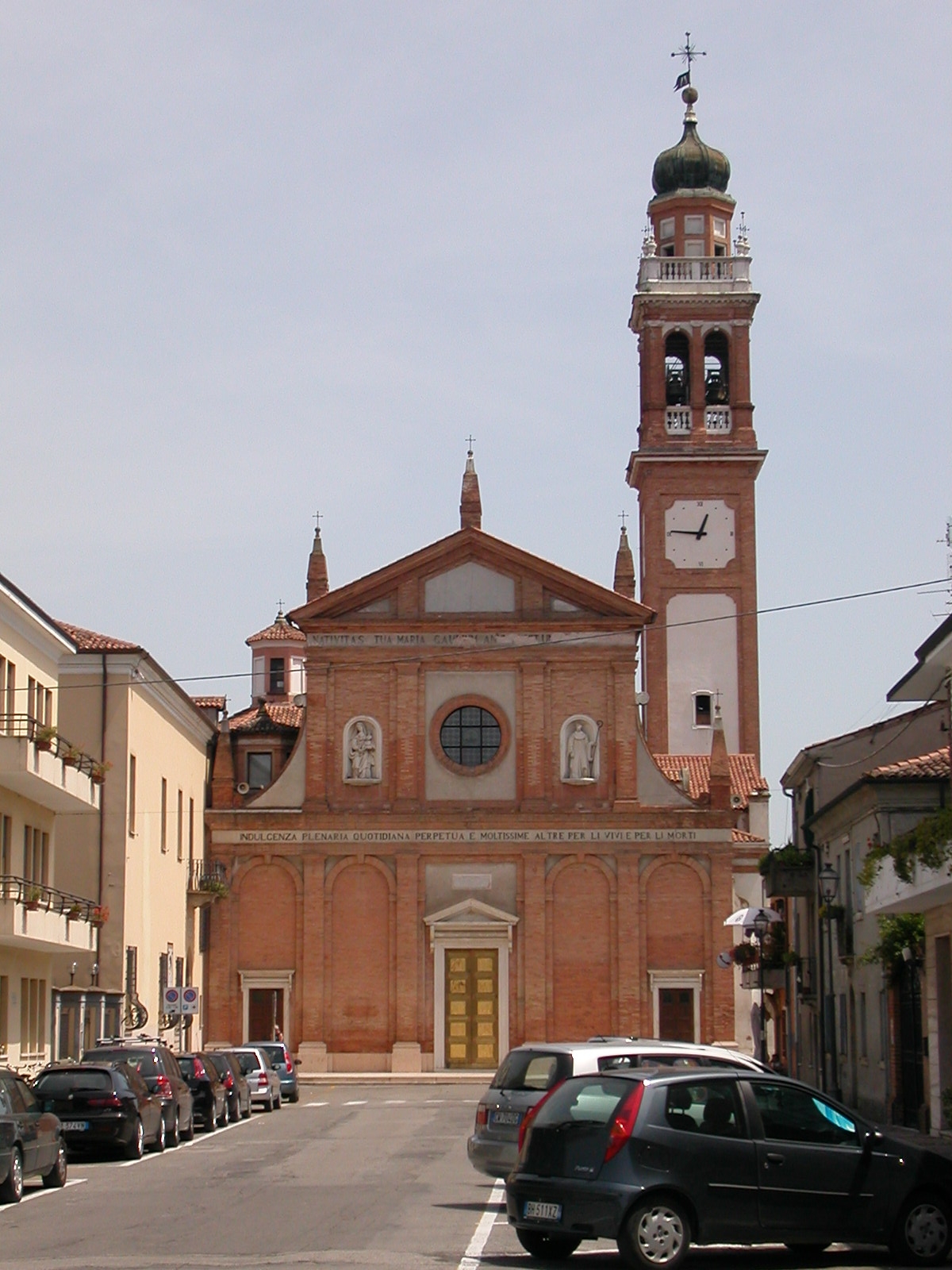
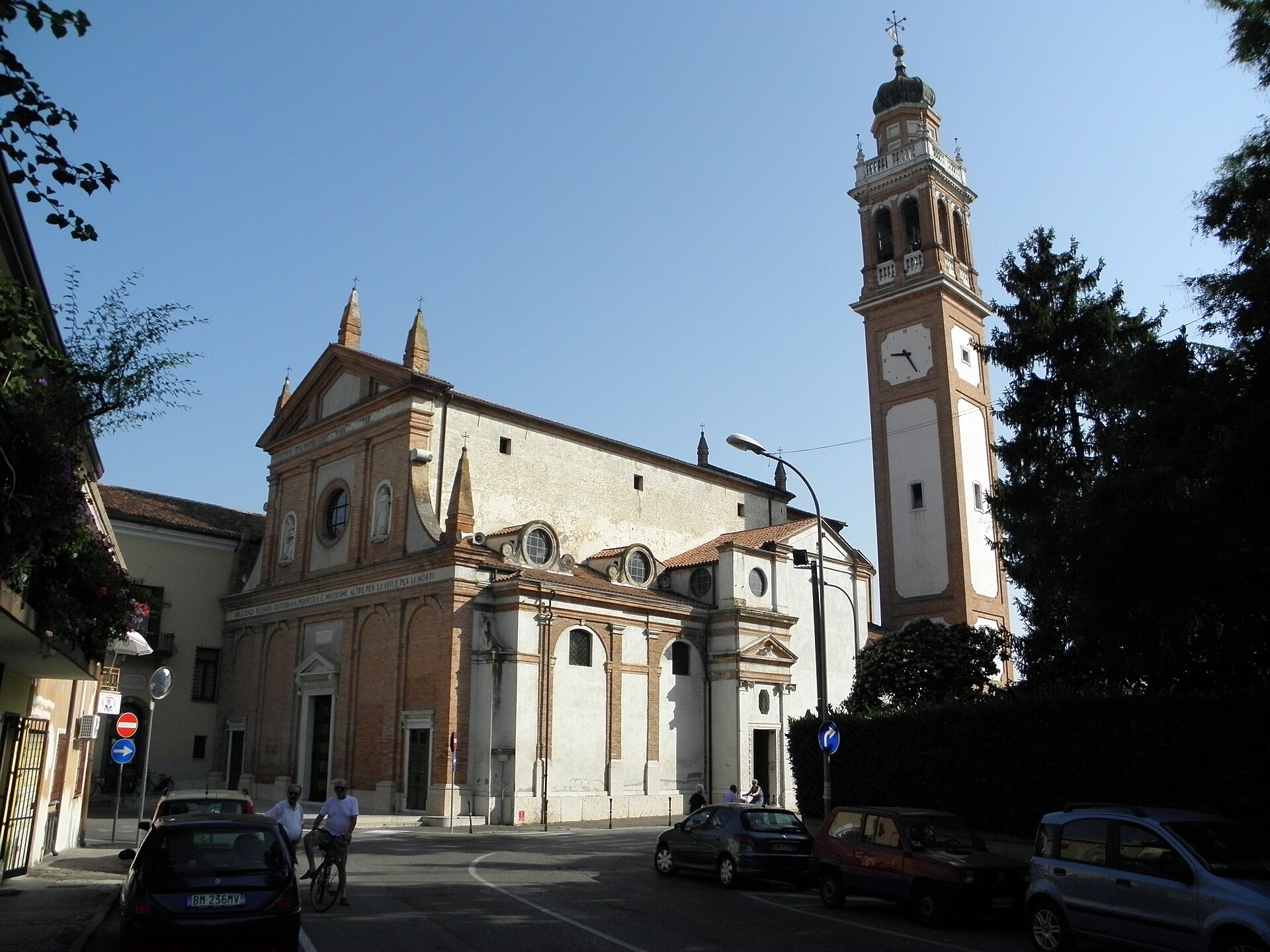
On 3 May 1577 the Council of Lendinara proposed building a sanctuary as a thanksgiving. On 26 August that same year Bishop Giulio Canani laid its foundation stone. On 16 May 1579 the statue was carried in procession into the new church, consecrated in 1584 and dedicated to the Nativity of Mary. On 10 February 1595 the Council consecrated the whole town and its territory to the Virgin.
Monks, exiles and returns
From 1578 the sanctuary was entrusted to the Olivetan Benedictines of Monte Oliveto. In 1771 a decree of the Venetian Republic forced them to leave. They returned only in 1905, after an absence of 134 years.
In 1911 Pope Pius X raised the sanctuary to a minor basilica, and in 1920 the monastery became an abbey. Between 1939 and 1942 Giuseppe Chiacigh frescoed the interior.
The lost statue
The hardest blow came on 4 September 1981, when the original statue was stolen. For a community so bound to its Madonna, it was a deep wound.
The one venerated today is carved in Swiss stone pine, the work of Ferdinando Prinoth, a sculptor from Val Gardena. It was blessed by John Paul II on 30 December 1981 and placed in the sanctuary on 1 January 1982. Since then it is she who welcomes the pilgrims, in the same place where the devotion was born almost five centuries before.