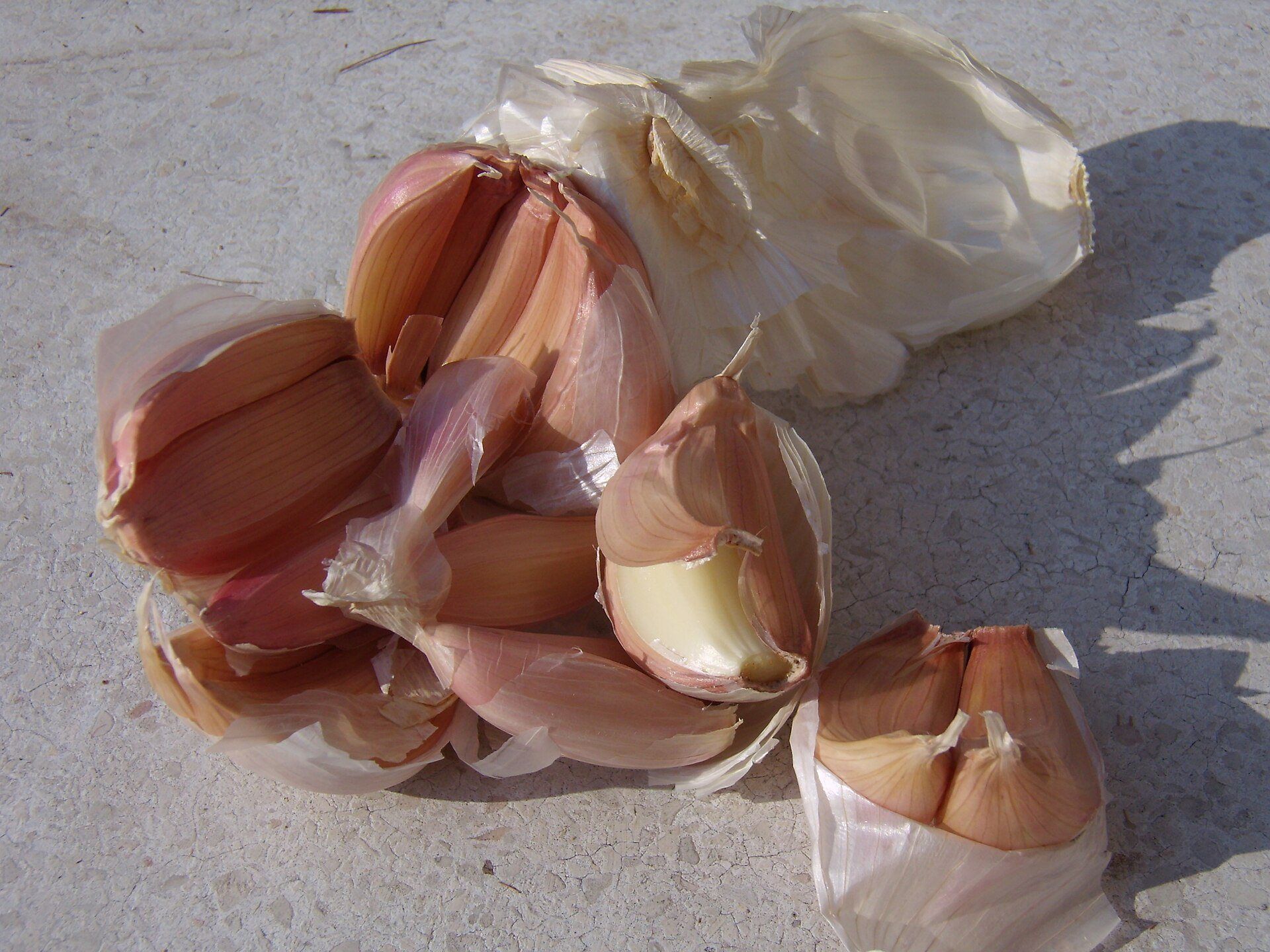
In the Polesine there is an old way of storing the harvest: plaiting it. The garlic heads, still attached to their stems, are tied by hand one beside the other to form the «resta», the plait that for generations hung in kitchens. The production specification for Aglio Bianco Polesano PDO still lists these forms by name today: treccia, treccione, grappolo, grappolone (plait, large plait, bunch, large bunch). And it stipulates that this handwork be done only here, in the area of origin.
That area is a plain built by rivers. The soils were laid down by floods of the Po and the Adige: medium-textured, well drained, rich in phosphorus, potassium, calcium and magnesium. It is to this soil that the specification links the bulb's white colour and its long keeping qualities. The designation covers 29 municipalities in the province of Rovigo, from Lendinara to Adria, from Occhiobello to Villanova Marchesana.
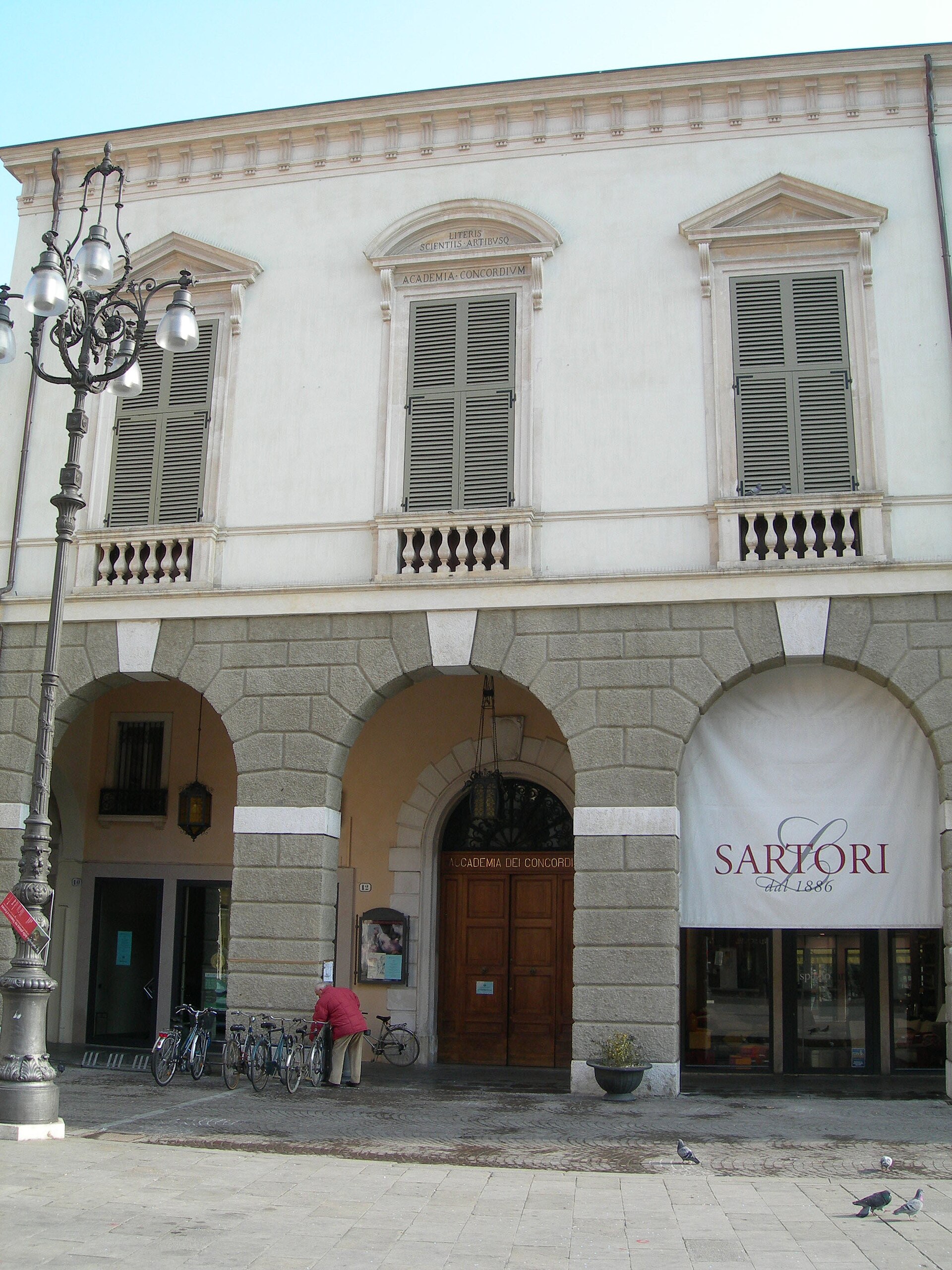
The story, according to the documents gathered for its recognition, begins with the Romans, who drained and divided up these lands. In the Middle Ages, according to Bocchi's Annali Pollicinensi, the inhabitants of Rovigo were required to grow garlic on their plots. In the 16th century, publications of the Accademia dei Concordi describe its production in the Selva area, now divided between Pontecchio, Crespino and Ceregnano.
The leap came in the 20th century. In 1949 the scholar S. Zennaro described it as by then an industrial crop, firmly part of the area's farming system. In the 1960s Polesine garlic travelled to Cuba, the United States, England, Germany and France: because of its weight in the local economy it was called the «oro bianco del Polesine» (white gold of the Polesine). The specification stresses one point: the manual selection of the best heads for replanting, know-how handed down from father to son.
In 2009 the European Union registered it as a Protected Designation of Origin. Today the plaits can be found on farms and at markets across the province: buying one and hanging it in your kitchen is the simplest way to take a piece of the Polesine home.