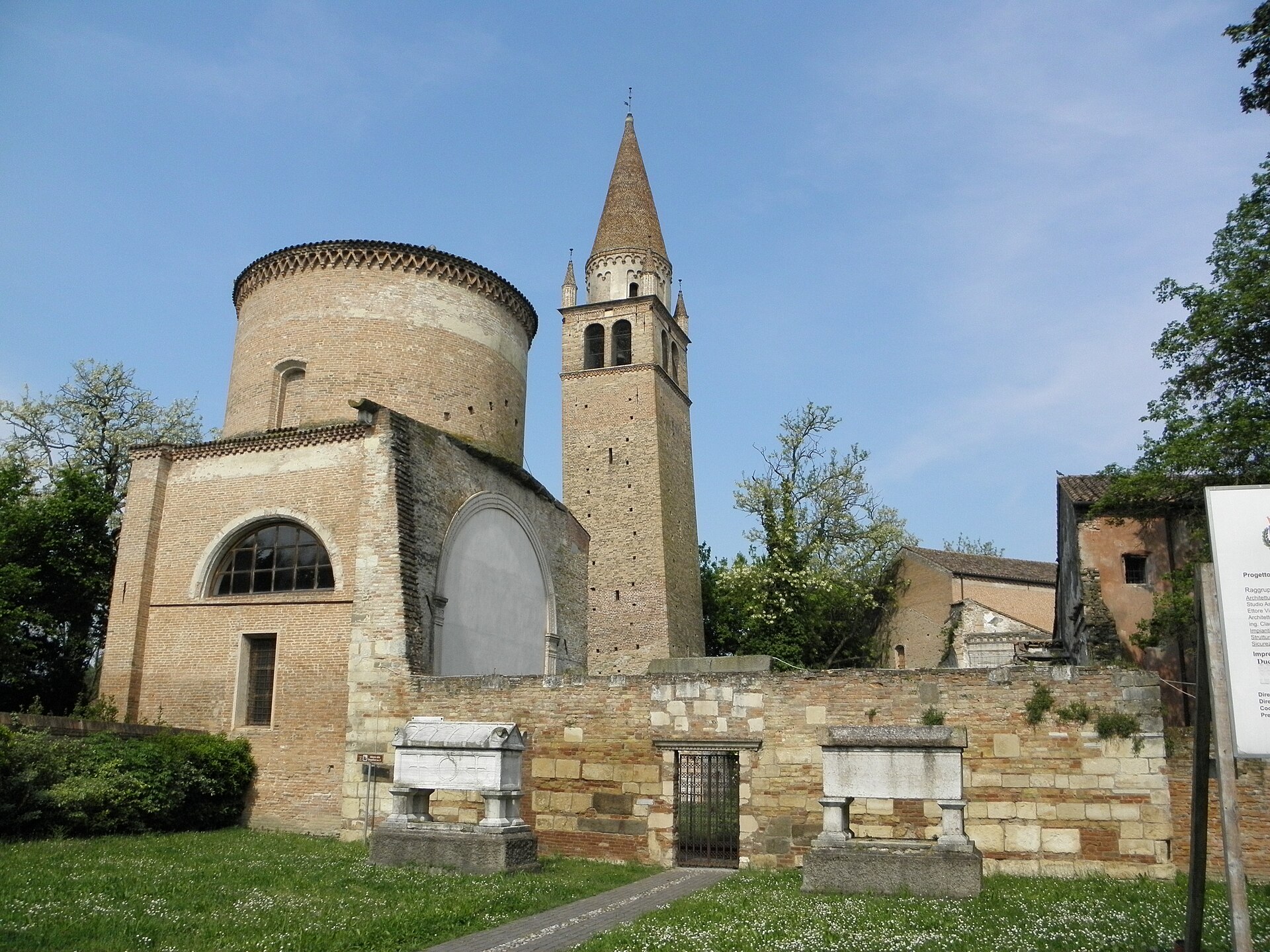
Milan, 1897. A 23-year-old from Badia Polesine walks into the newsroom of the Corriere della Sera. He has trained as a land surveyor and starts at the bottom, reading proofs. His name is Eugenio Balzan, he was born on 20 April 1874, and he will stay at that paper for more than thirty years.
His rise is swift. From proofreader he becomes a reporter, then head of the city desk and special correspondent. In 1903 the editor Luigi Albertini entrusts him with managing the publishing house. In time Balzan also becomes a shareholder in the paper, with a minority stake.
In 1933 he leaves the Corriere and Italy, at odds with a climate hostile to an independent newspaper. He settles in Switzerland, first in Zurich and then in Lugano. There he invests his fortune successfully and goes on supporting institutions and people in need. He also cultivates a passion: 19th-century Italian painting. In 1944 his collection is exhibited at the Kunsthaus in Zurich. He officially returns to Italy in 1950 and dies in Lugano on 15 July 1953.
The story could end there, but his daughter Lina decides to turn her father's legacy into a work dedicated to his memory. Thus the Fondazione Internazionale Premio Eugenio Balzan is born, with offices in Milan and Zurich. Among the first prizewinners for humanity, peace and brotherhood among peoples are the Nobel Foundation, in 1961, and Pope John XXIII, in 1962.
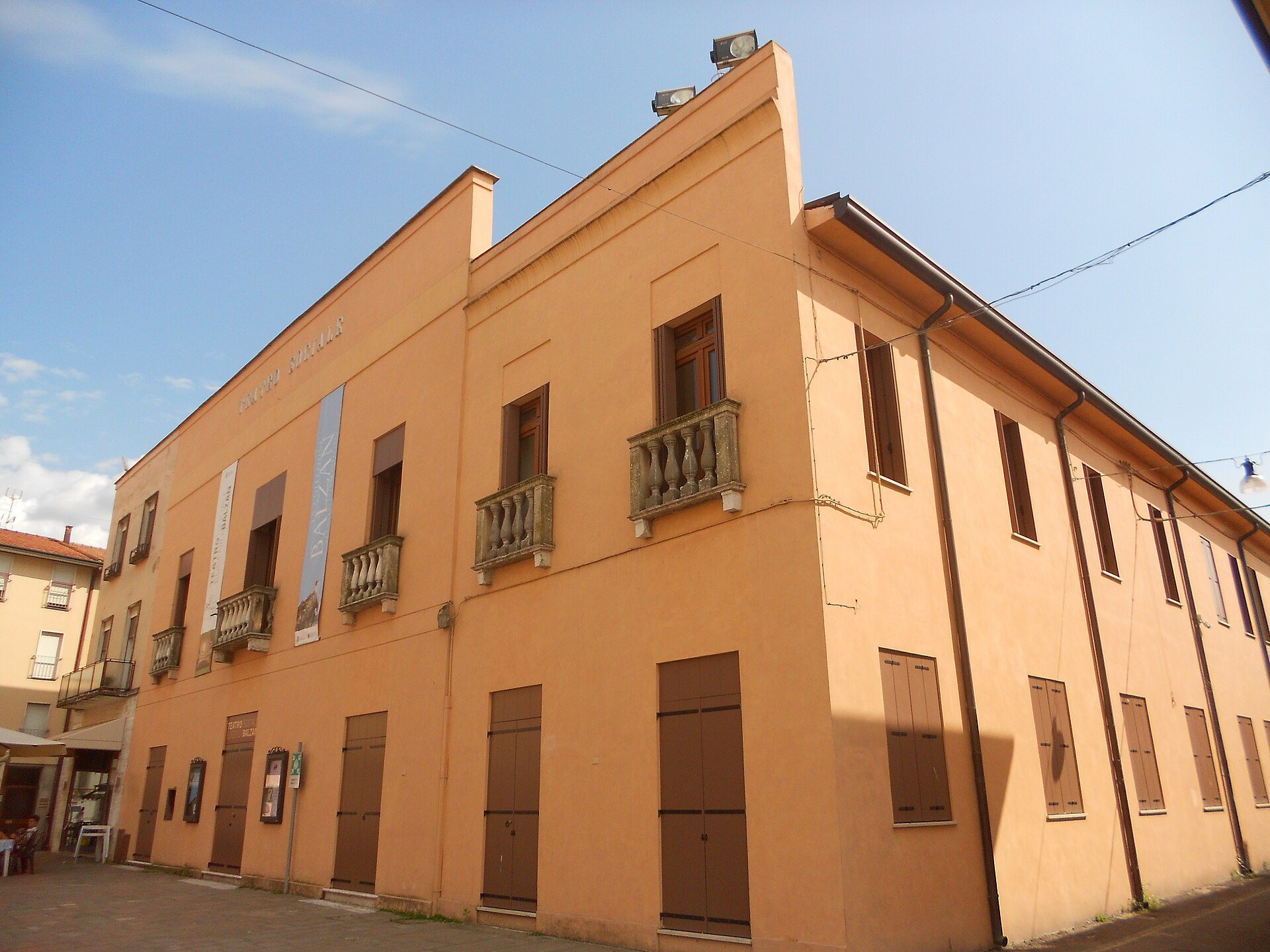
In Badia Polesine, Balzan's name is everywhere. The Teatro Sociale, built in 1812 and known for its stucco and gilding as the «piccola Fenice» (little Fenice), bears his name. In the theatre's foyer, on piazza Vittorio Emanuele II, the Balzan Collection is on display: some fifty late 19th-century Italian paintings, with works by Filippo Palizzi, Domenico Morelli, Mosè Bianchi and Giacomo Favretto. The Foundation has entrusted the collection to the Comune. A visit here brings the proofreading boy back to the town he set out from.