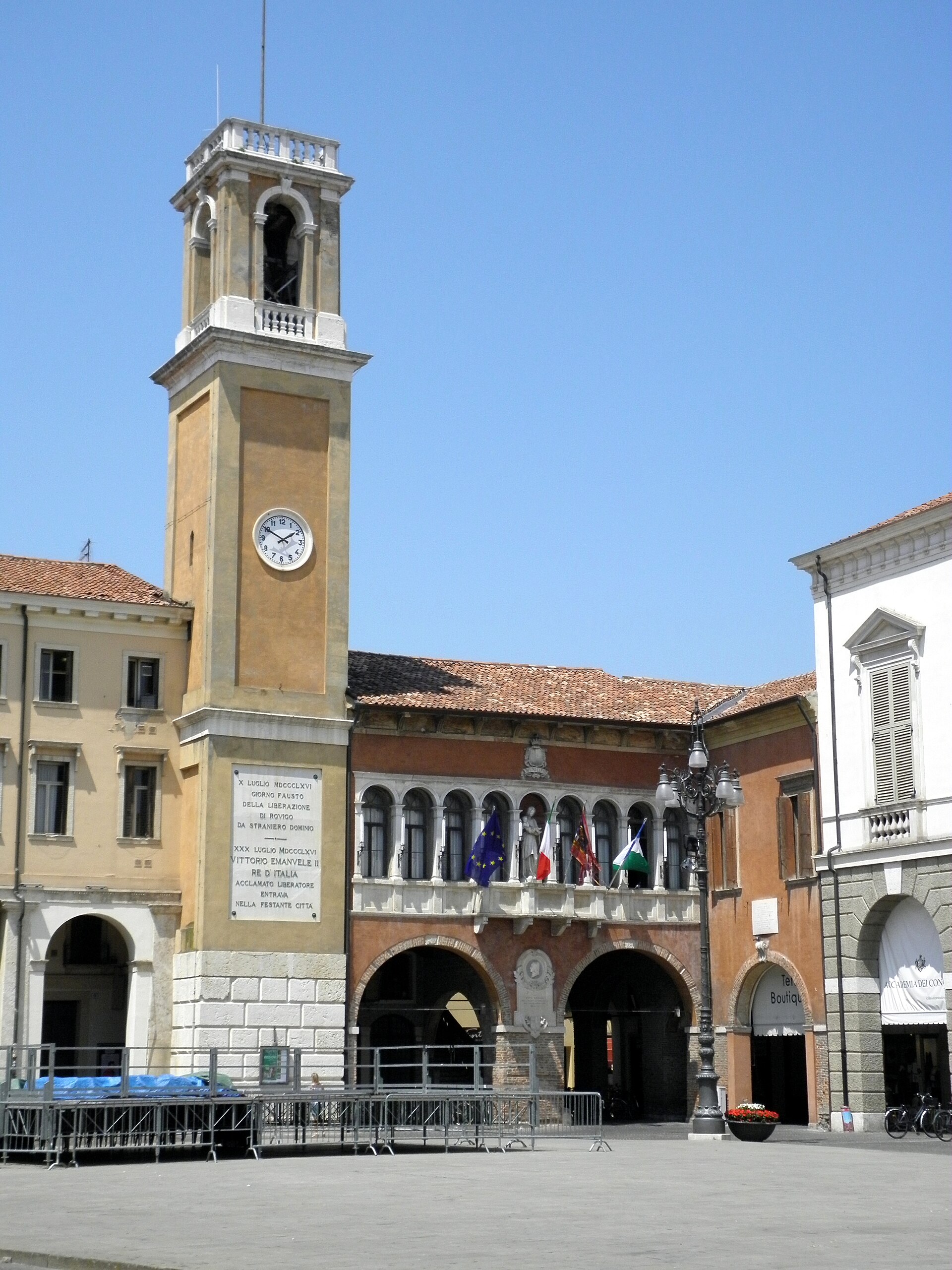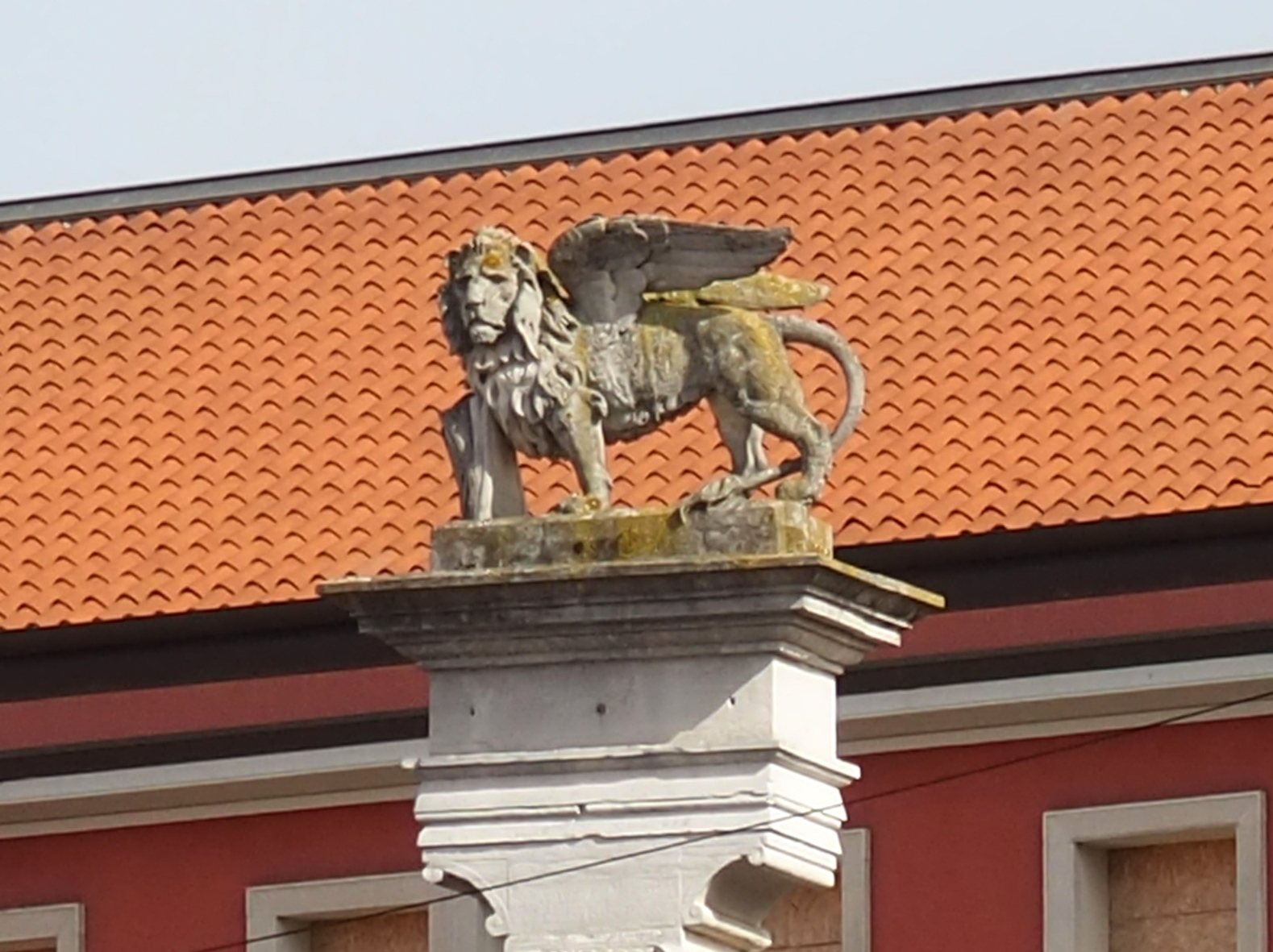
The Lion of Saint Mark on its column in Piazza Vittorio Emanuele II, Rovigo
Leone di San Marco posto sopra l'omonima colonna (Piazza Vittorio Emanuele II, Rovigo) · Symbol of the Venetian rule that followed the peace, not an image of the war · Threecharlie · CC BY-SA 4.0 · Wikimedia Commons
Did you know?
Did you know?

The salt that made the Polesine Venetian

The War of Ferrara and the peace of 7 August 1484

Period
1482-1484

The Polesine's long Venetian era has a precise date: 7 August 1484. That day, at Bagnolo, the war between the Serenissima and the Duke of Ferrara, Ercole I d'Este, came to an end.

Among the causes of the conflict was salt: Venice objected to the illegal production of salt at Comacchio, as well as to border disputes in the Polesine of Rovigo and questions of duties and privileges. The first Venetian bastie (field forts) appeared in the Polesine as early as November 1481; in 1482 the Este fortress of Ficarolo fell.

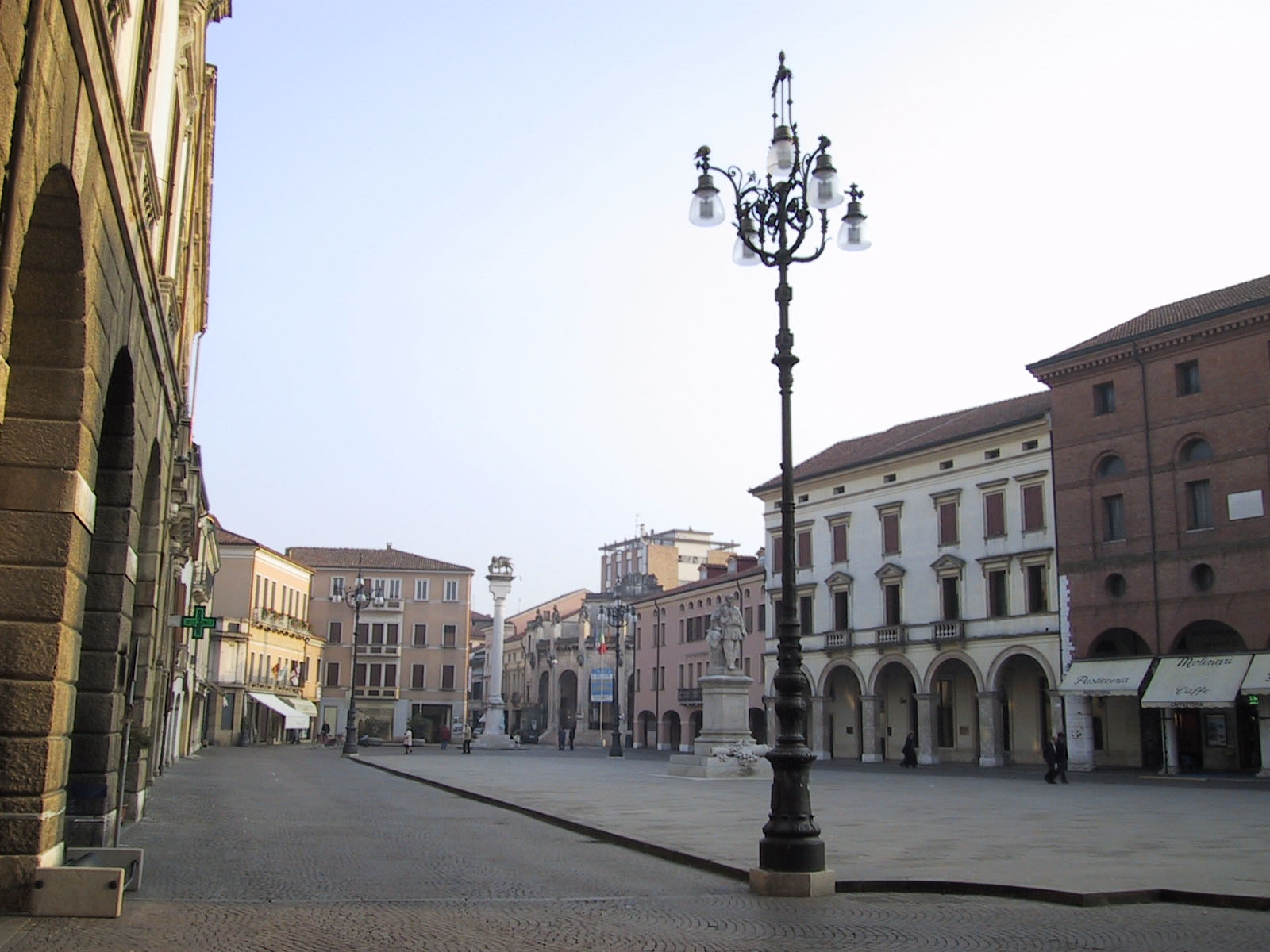
The peace was harsh for Ferrara: Venice was allowed to keep the Polesine, which remained with the Republic until its fall. The traces are still there for all to see, starting with the lion of St Mark in the main square of Rovigo.
SourcesSources checked

  1. Ercole I d'Este, duca di Ferrara, Modena e Reggio — Treccani, Dizionario Biografico degli Italiani
  2. Polesine — Treccani, Enciclopedia on line
  3. Gazzettino della fortezza di Ficarolo — Università di Ferrara (materiale didattico)

This page is based on the sources listed here. Have a correction or a document to share? Write to the editors. redazione@rovigosegreta.it