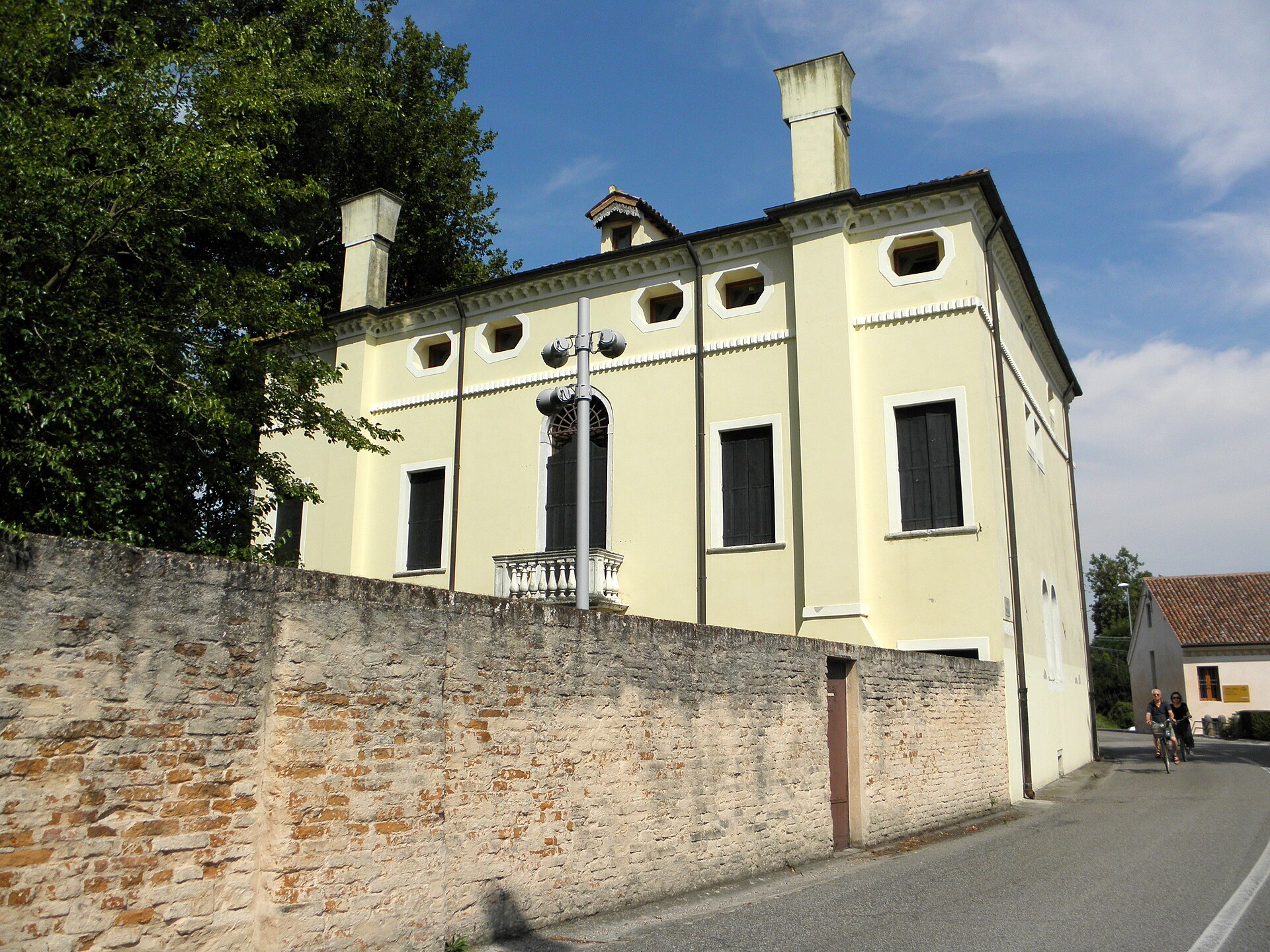
On Via Ruga, in Fratta Polesine, there is a house where time seems to have stood still. It is the house where Giacomo Matteotti grew up. Born in the village in 1885, he had become a Socialist member of parliament. In Parliament he had denounced the violence and electoral fraud of the Fascists. On 10 June 1924 he was kidnapped and murdered in Rome.
In August his body came back to Fratta. The coffin lay in the ground-floor room of this house, the same house where he had lived. His widow, Velia, asked for the Mass to be celebrated in the village parish church. The authorities refused. They imposed a private service, at half past six in the morning, in the chapel of a charitable institution. It was 21 August 1924.
But the story did not end with the funeral. The regime feared that tomb. It feared the flowers, the visits, the memory.
Matteotti was buried first in the chapel of another family, that of Giuseppe Trevisan. Then he was moved to another, unused chapel, to protect him from possible desecration. Only on 11 October 1928 did the coffin find its place in the family chapel. His mother, Isabella Garzarolo, had had it built facing the cemetery entrance.
The sarcophagus is of black marble. It was a gift from the Belgian socialists, whom Matteotti had met a few months before his death. The lid was cemented down, so that no one could take the body away.
And then there was the surveillance. Until 25 April 1945 the tomb was watched by the police. Anyone who came to lay a flower was identified. Commemorations were banned. For almost twenty years, in a small cemetery in the Polesine, laying a flower was an act that took courage.
There is nothing to invent here. The power of this place lies entirely in the facts.
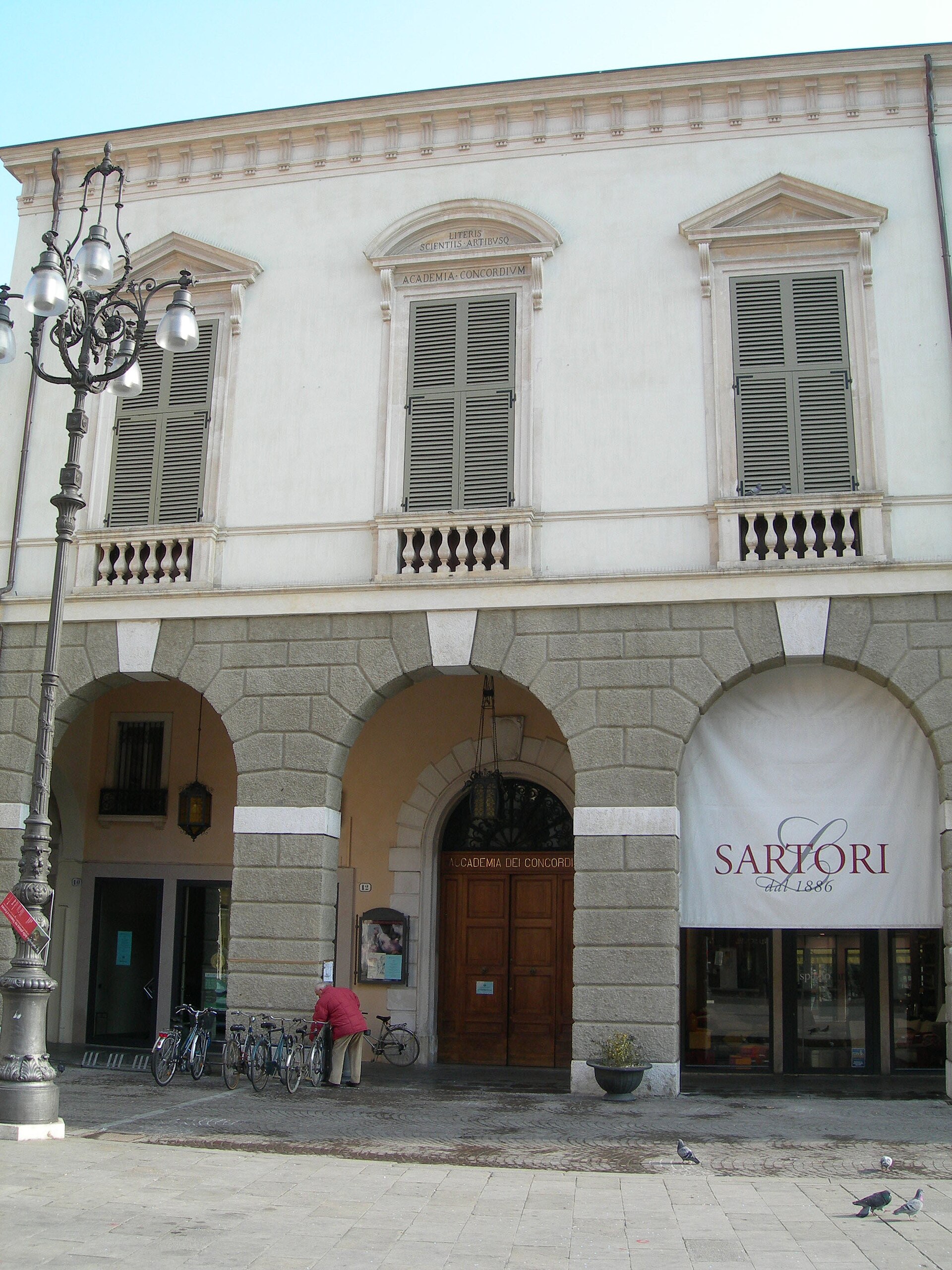
Today the house is a national monument. It belongs to the Accademia dei Concordi of Rovigo, bequeathed by Matteotti’s children. For the centenary of the murder it was closed for a new layout, planned over three floors. The first tells of the Polesine land of his youth. The second, family life, with the piano and memories of his brother-in-law, the celebrated baritone Titta Ruffo. The third, his public story and his anti-Fascist legacy.
A village house, in short, that holds a decisive page of Italian history. And a tomb that, for years, was more frightening than any speech.