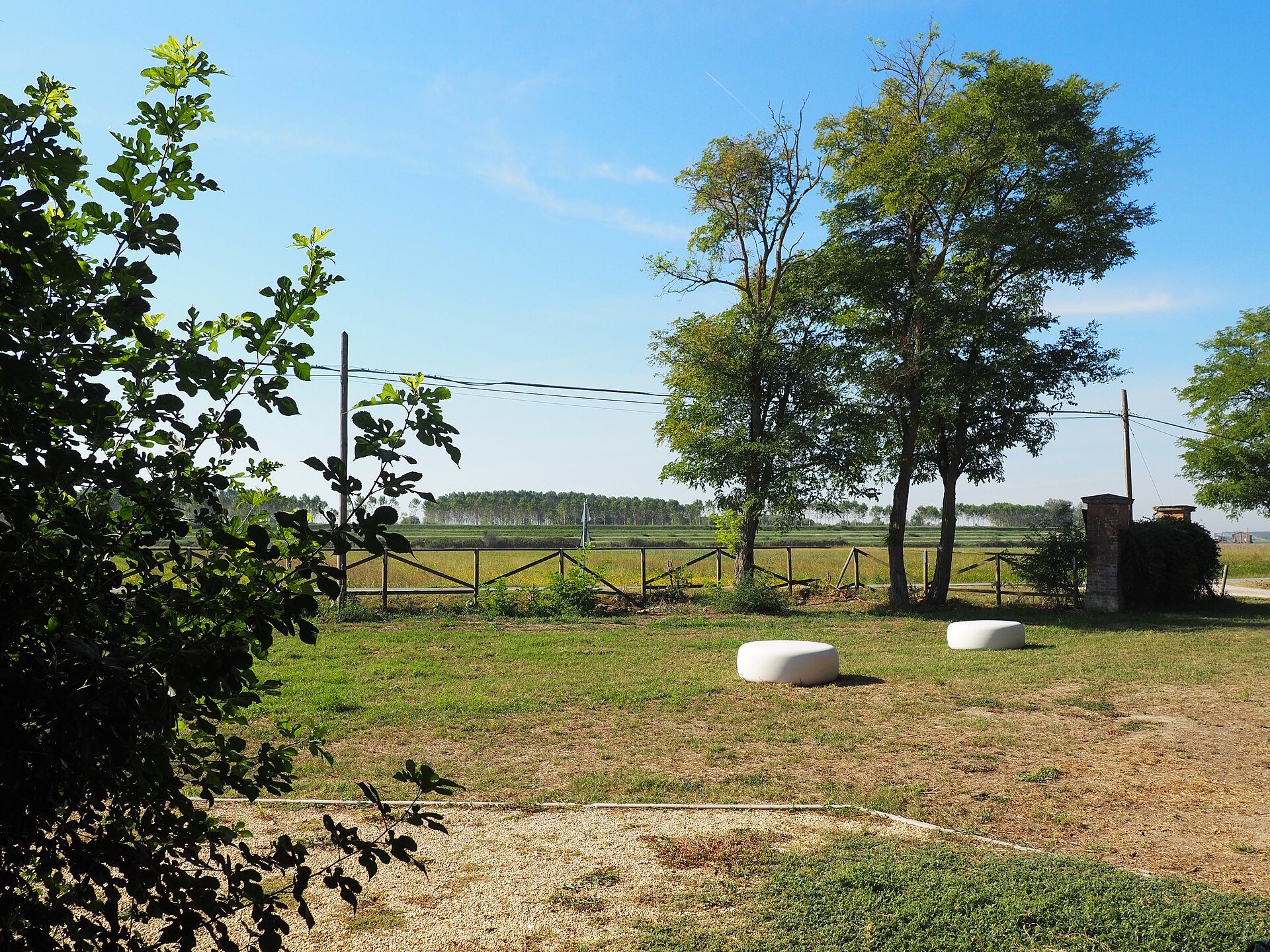
Countryside by the Po di Goro embankment at San Basilio, Ariano nel Polesine
Panorama verso sud, con argine del Po di Goro dal'area archeologica di San Basilio, tenuta Forzello (San Basilio, Ariano nel Polesine) · Delta landscape, not a still from the films mentioned · Threecharlie · CC BY-SA 4.0 · Wikimedia Commons
Did you know?
Did you know?

The Polesine on the big screen

Where Antonioni learned to look at landscape

Period
1942-1957

Before becoming a master of cinema, Michelangelo Antonioni travelled down the Po with a film camera. In «Gente del Po» (People of the Po), shot in the middle of the war, he follows a cargo barge for a day all the way to the sea and observes the poor life of the riverside villages, including the area around Porto Tolle.

The war interrupted the work and part of the footage was lost: the documentary, about eleven minutes long, was released only in 1947. Ten years later Antonioni returned to the embankments with «Il grido» (The Cry, 1957), set in the Po valley, which won first prize at the Locarno Festival.

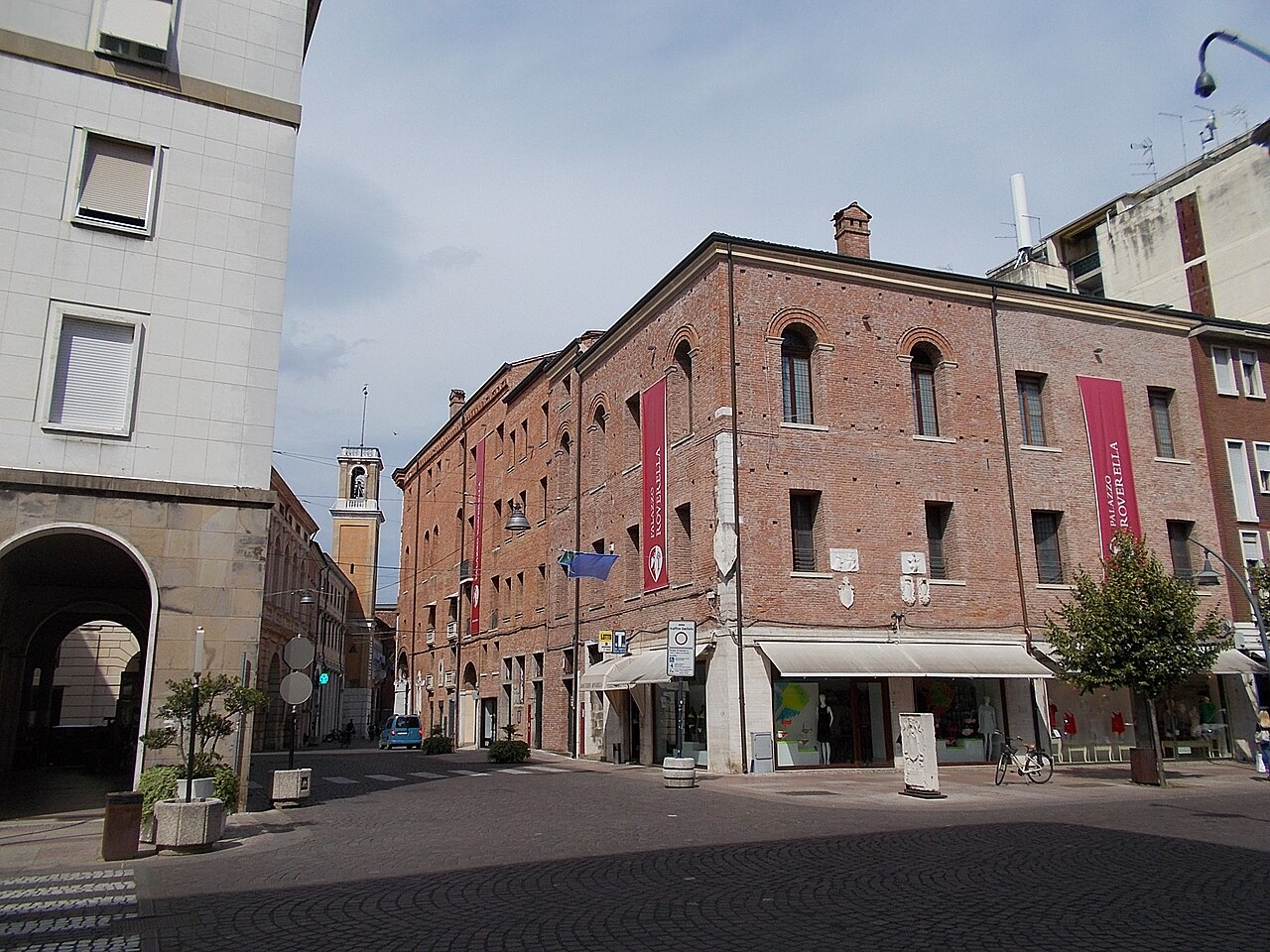
He was not the only one: Visconti, Rossellini, De Santis, Lattuada, Soldati and Vancini all filmed or set works in the Delta. In 2018 Palazzo Roverella told this story in the exhibition «Cinema! Storie, protagonisti, paesaggi».
SourcesSources checked

  1. Il delta del Po attraverso il filtro eco-critico: all'origine di un'estetica cinematografica (É. Hachet, Atti XXVI Congresso ADI) — Associazione degli Italianisti (ADI)
  2. People of the Po Valley / Gente del Po — Karlovy Vary International Film Festival
  3. Il Delta del Po, la mostra — Panorama
  4. Il cinema sul Delta del Po — Il Post
  5. A Palazzo Roverella di Rovigo una mostra indaga sul rapporto tra il cinema e il Delta del Po — Finestre sull'Arte
  6. Il grido — Cleveland Institute of Art Cinematheque

This page is based on the sources listed here. Have a correction or a document to share? Write to the editors. redazione@rovigosegreta.it