The birth of Rovigo’s Seminario Vescovile, the Bishop’s Seminary, is a direct consequence of the Council of Trent. In July 1563 the Council ruled that every diocese should have a seminary to train its priests. The Bishop of Adria, Monsignor Giulio Canani, had taken part in its sessions. On his return he called the synods of 1564, 1566 and 1567, and a long debate began: should the seminary be in Adria or in Rovigo?
In 1592 Bishop Lorenzo Laureti chose Rovigo. He bought a modest house near the Duomo, in Vicolo Santa Barbara, today’s Via Donatoni.
The convent becomes a seminary
The leap forward came two centuries later. In 1772 Bishop Arnaldo Speroni degli Alvarotti bought the convent of the Augustinian Hermits of Sant’Agostino for 1,200 ducats. The architect Domenico Cerato, from Vicenza, drew up the design around 1777–1778 and worked the old church of Sant’Agostino into the new building.
The foundation stone was laid on 30 November 1779. Work was led by Giovanni Battista Padrin and then by Giuseppe Sabadini, the same man behind the dome of the Duomo. Helped by a donation from Pope Pius VI in 1788, the building site closed in 1794.
From seminarians to archivists
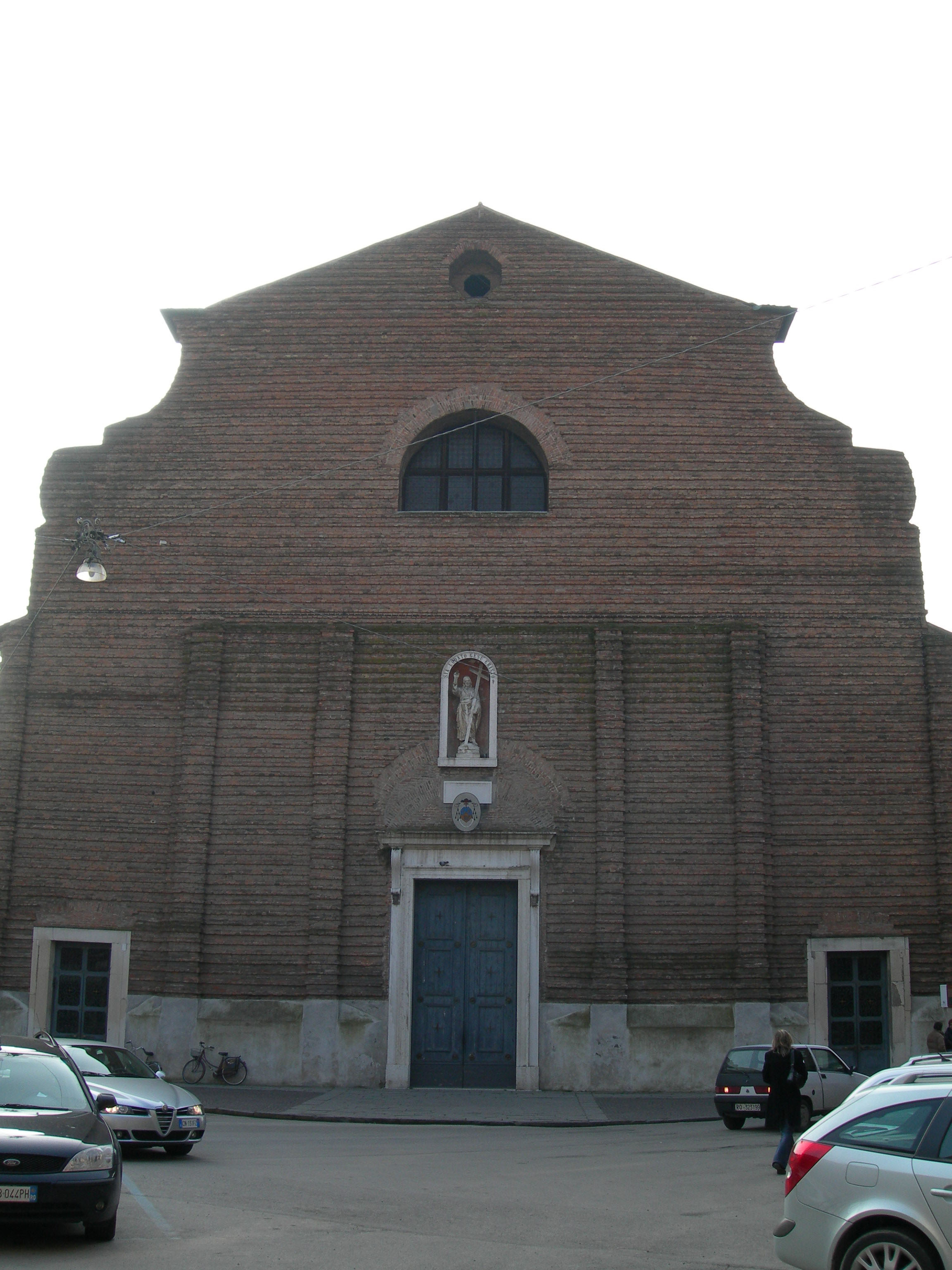
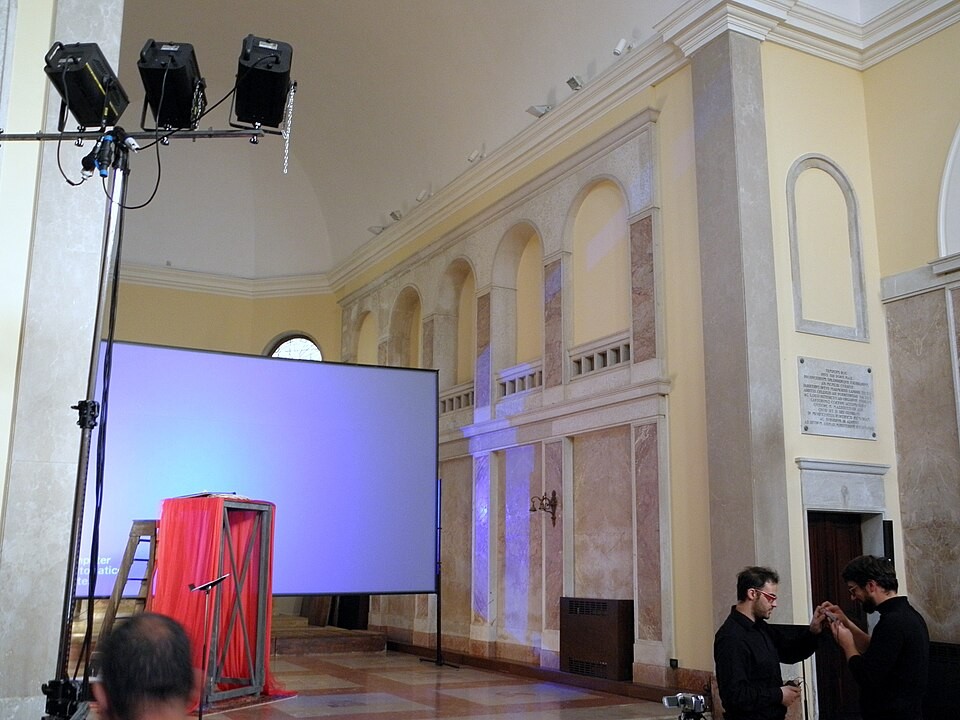
In 1966 the Seminary moved to new premises. The 18th-century building became the home of the Archivio di Stato di Rovigo, the State Archives, established in 1964 and opened in 1967. In the early 1960s heavy-handed works had stripped it of its original appearance. The façade, however, keeps its sober lines, and inside two fine rooms survive: the old Library and the Theatre.
Books and paintings
The library was the wish of Bishop Speroni himself, and in 1772 it held about 2,380 volumes. Today the Biblioteca del Seminario Vescovile “San Pio X”, in the Angelo Custode complex on Via Sichirollo, holds about 160,000. Among them are incunabula and 16th-century editions, the Archivio Sichirollo and the Fondo Rigobello.
There was also a Seminary picture gallery. In 1877 the brothers Gerolamo and Cardinal Pietro Silvestri left the family collection half to the Seminary and half to the municipality and the Accademia dei Concordi. Today the two halves are together again in the Pinacoteca dei Concordi e del Seminario: a collection split in two and, at last, made whole.