More than any other church, Rovigo’s Duomo is bound to the city’s bishop. According to tourist guides its origins go back to 964, perhaps on top of an older parish church. The decisive step is documented by the diocesan archive. In the 10th century Bishop Paolo, with the permission of Pope John X, moved his residence from Adria to Rovigo. A bishop needed a chapter of canons at his side, and the chapter was born here, at the Duomo. In 1771 it numbered twelve canons and eight mansionaries, the chaplains who served the altars.
From decline to dome
The church was first rebuilt in the 15th century. By 1636 it was in such poor repair that Bishop Retano suspended the chapter’s activities for a time. The turning point came in 1696. Bishop Carlo Labia, a Venetian patrician and man of letters, had the church rebuilt to a design by the Paduan Girolamo Frigimelica.
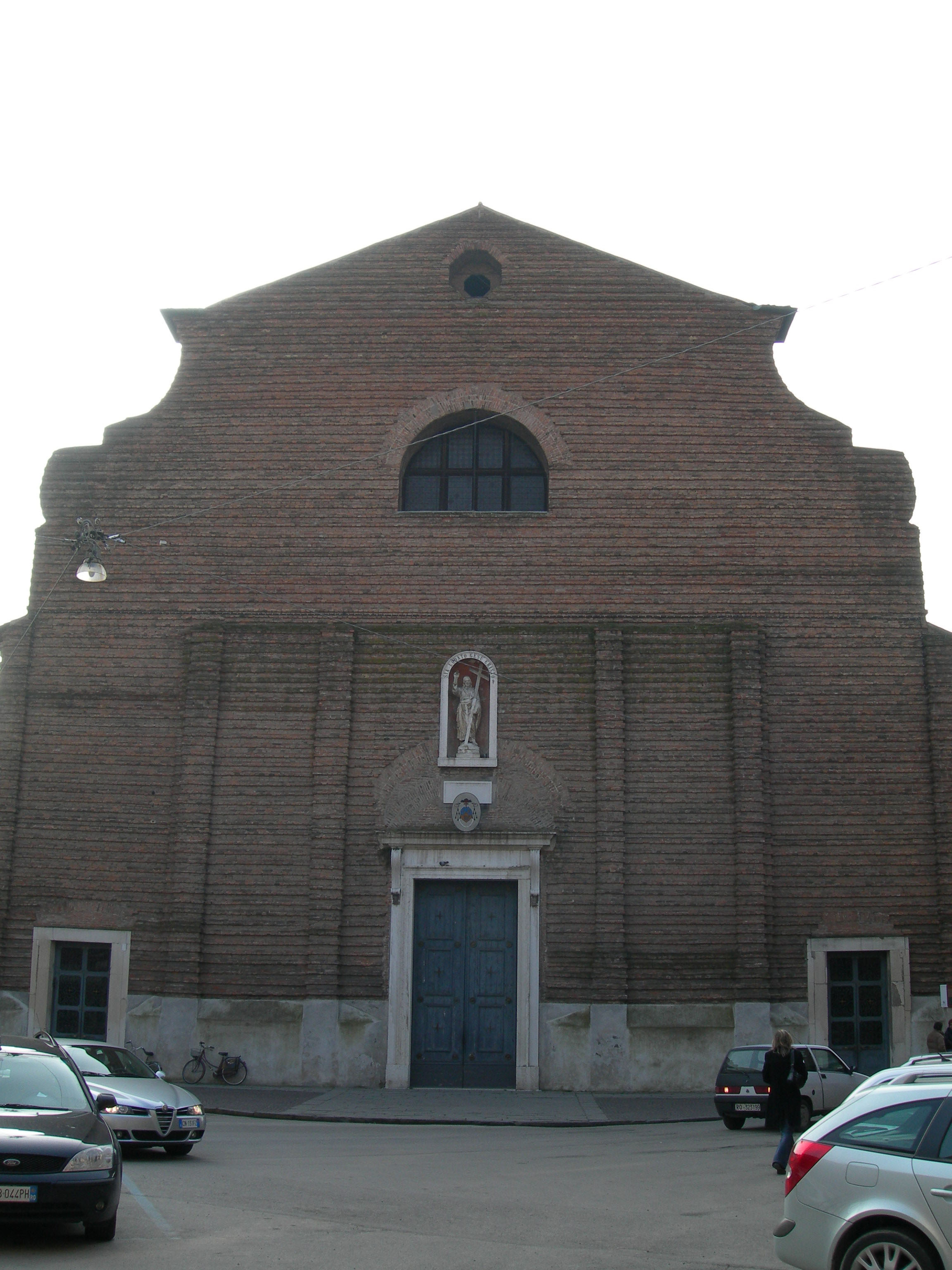
The great octagonal dome that dominates the building’s skyline was rebuilt from 1791 onwards, with the design entrusted to Giuseppe Sabadini. The brick façade, by contrast, remained unfinished despite several attempts. It is still one of the most curious sights in the centre: an important church that faces the square like a building site left on hold.
A cathedral by halves
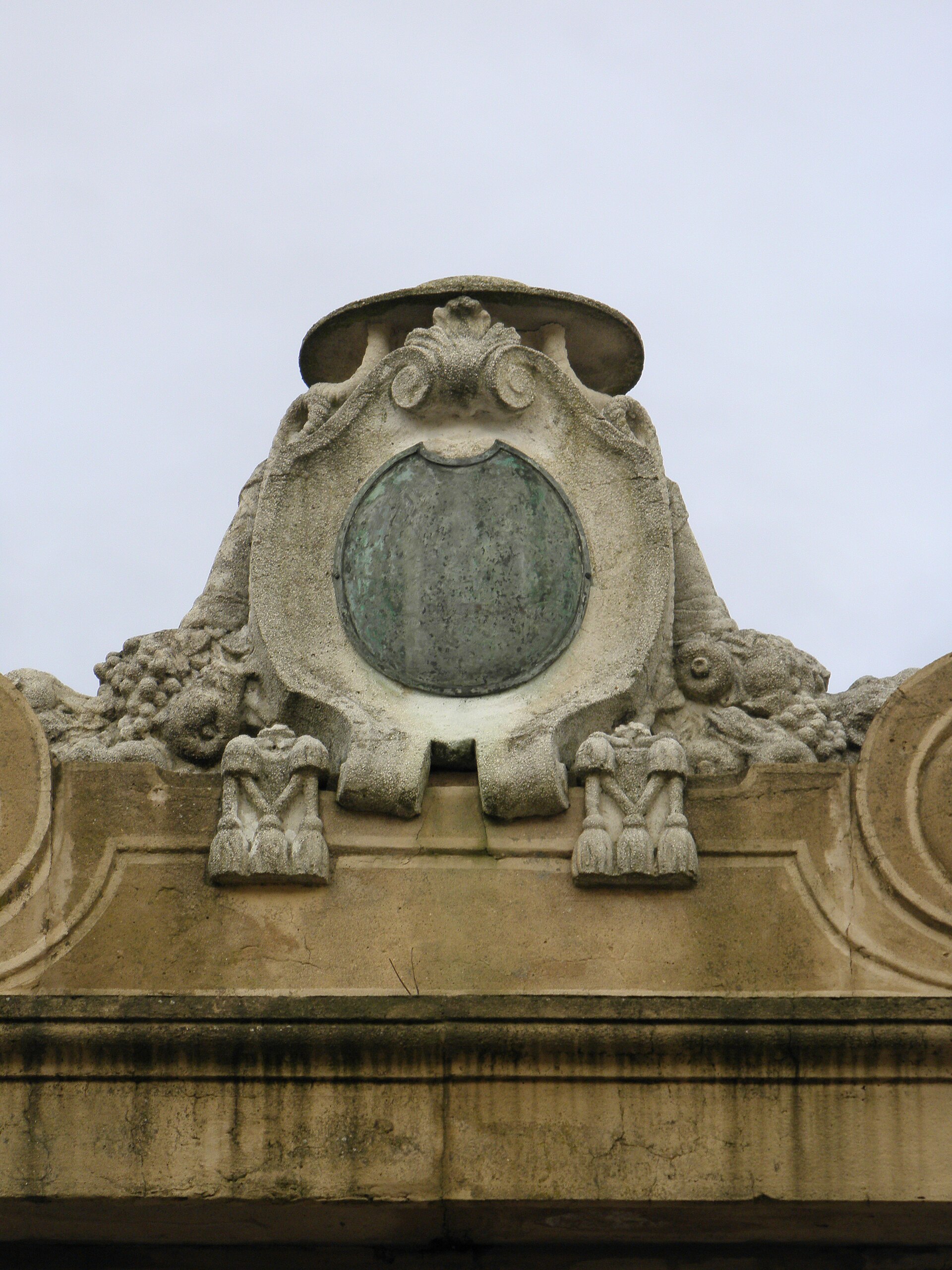
In 1780 Bishop Speroni degli Alvarotti allowed the canons to wear the insignia of a cathedral. In 1867 the chapter’s assets were confiscated by the Italian state. In 1901 Leo XIII re-established the chapter. Finally, with the diocese’s new name, Adria-Rovigo, Santo Stefano became a co-cathedral alongside the cathedral of Adria. Sources give 1986 or 1987.
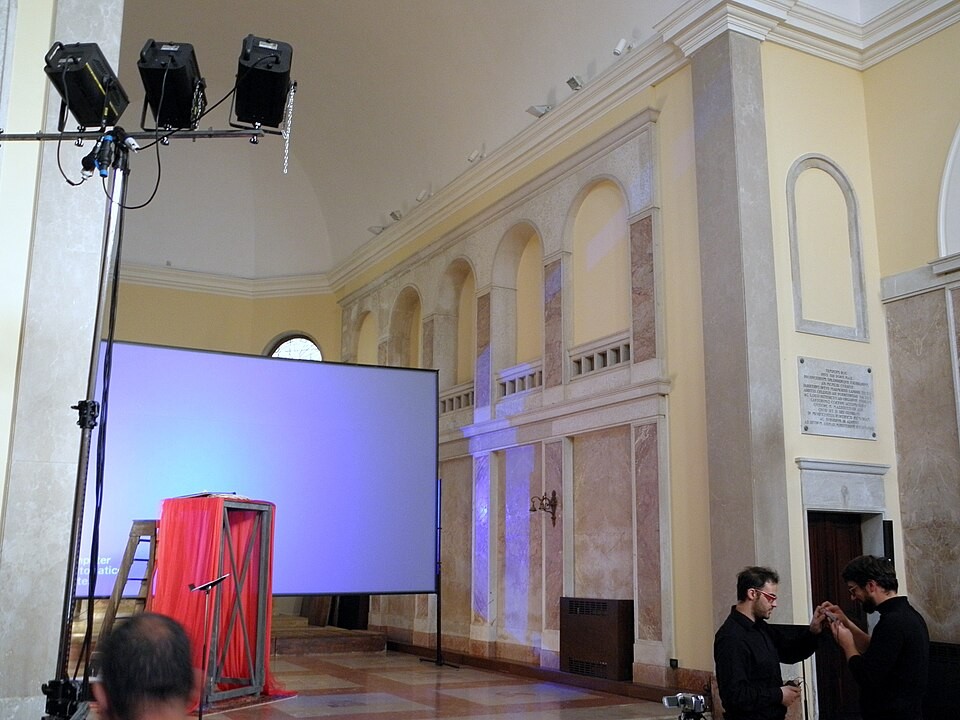
Inside, the Duomo keeps works of real quality. Besides the Risen Christ by Palma il Giovane, there is the Virgin Giving the Scapular to St Simon Stock by Andrea Michieli, known as il Vicentino, and two canvases with saints attributed to Benvenuto Tisi, known as il Garofalo.
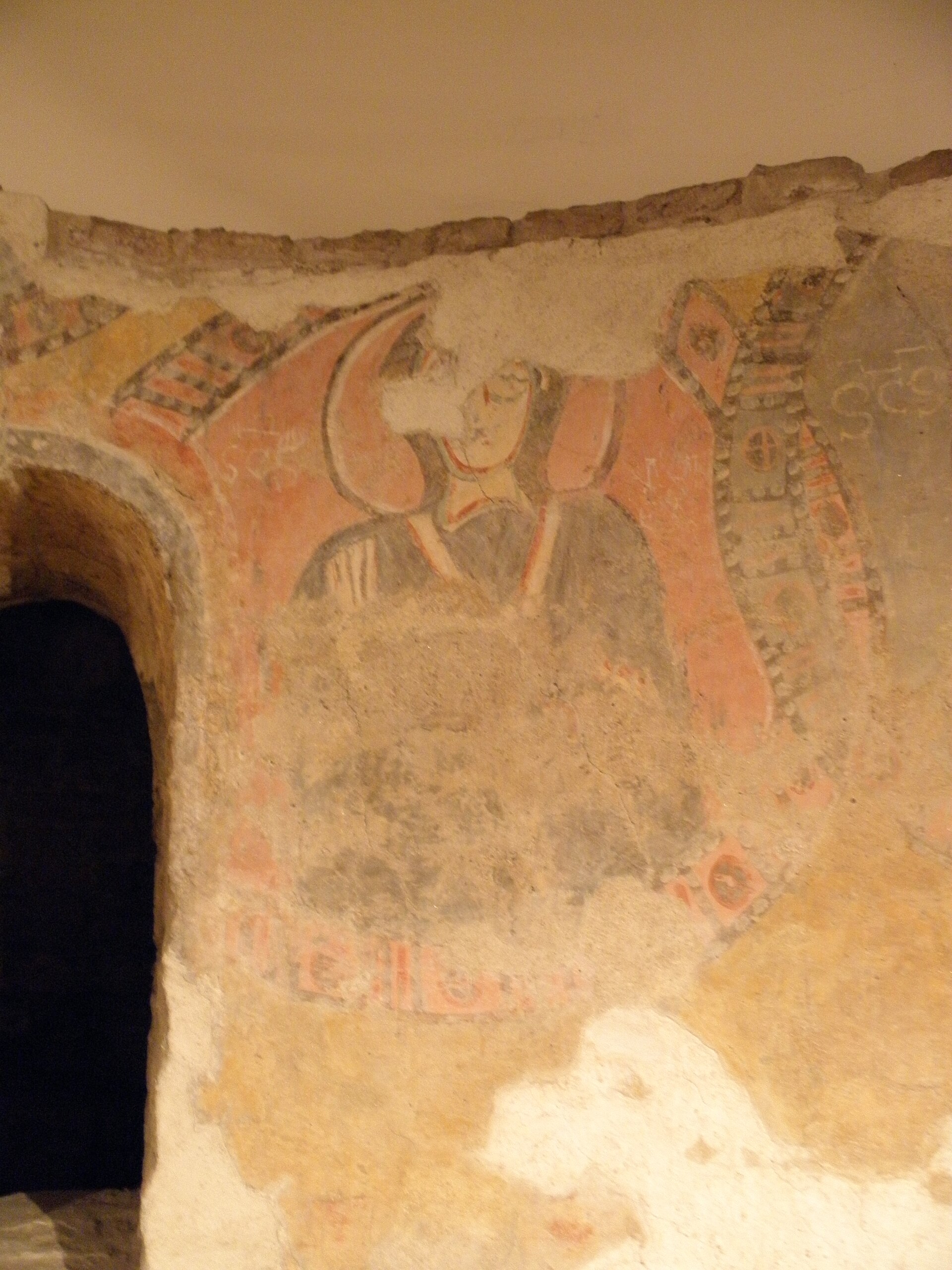
Beside the Duomo there once stood a small church dedicated to the Beata Vergine delle Grazie, Our Lady of Graces, traced back to around the year 1000. Its heart survives: its 15th-century fresco of the Madonna and Child, which now stands on the altar of the Duomo.