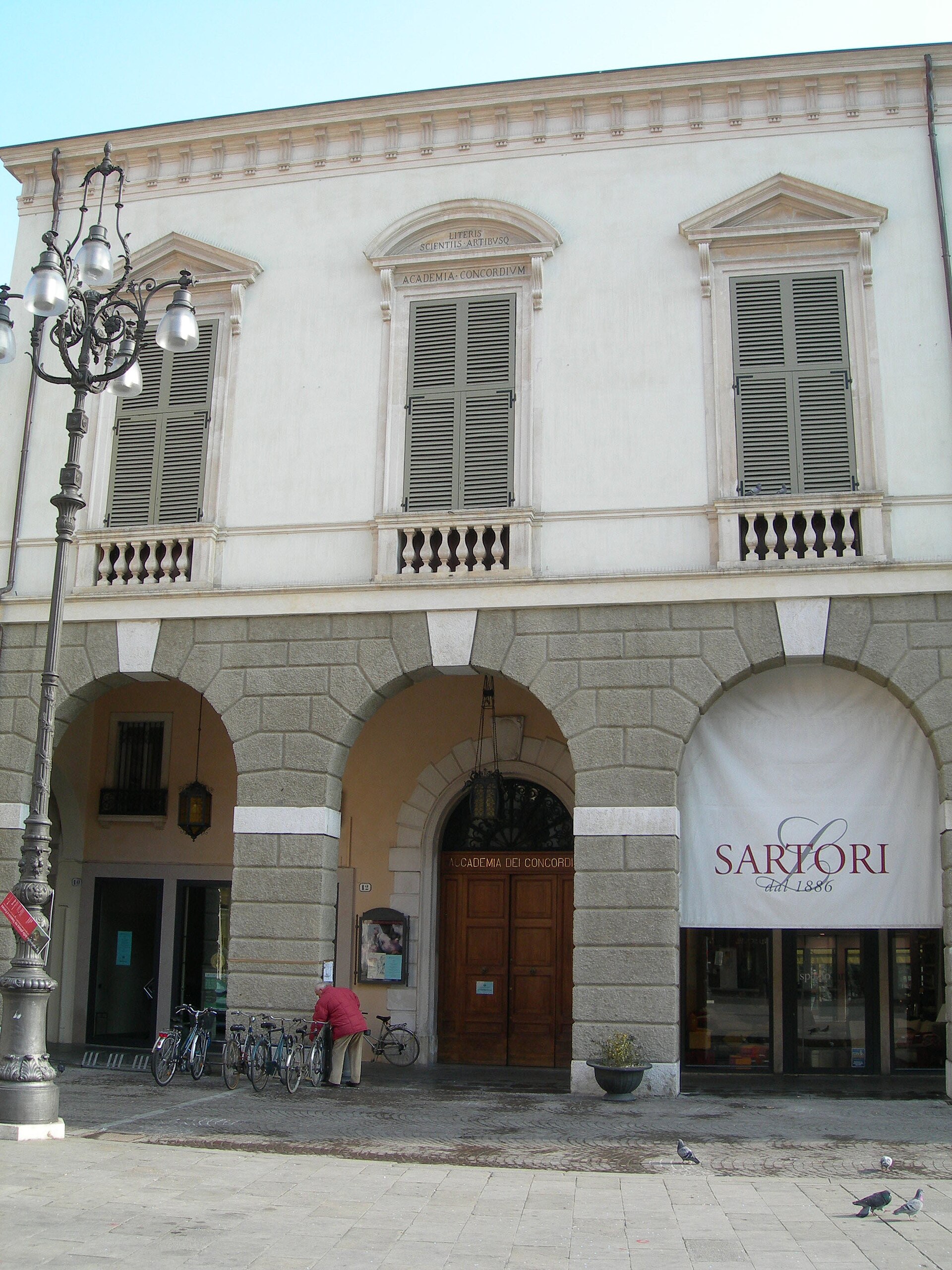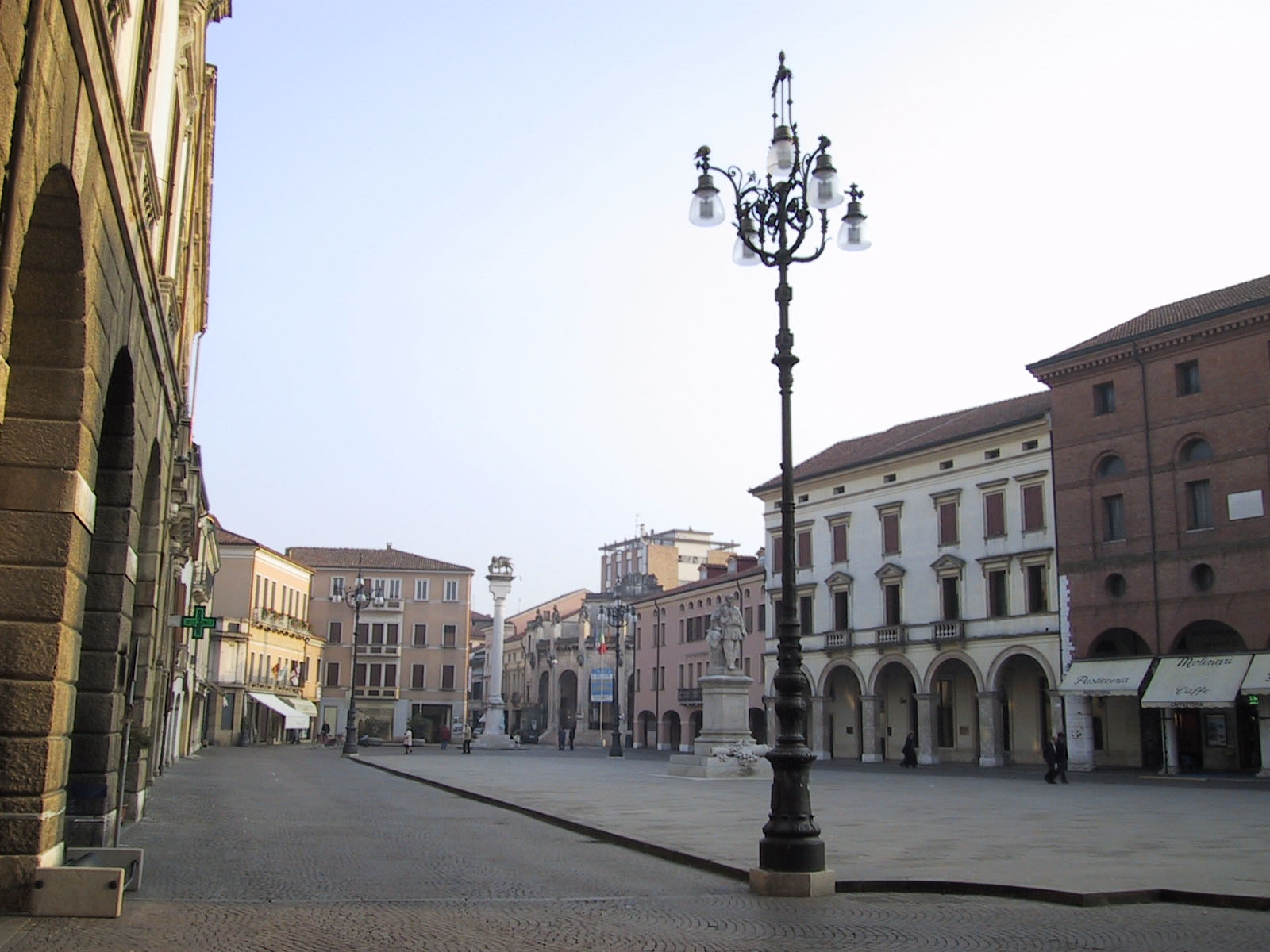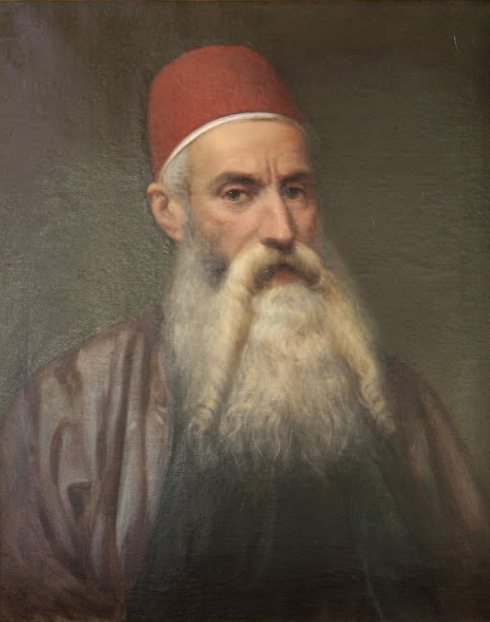
Beneath the arcades of Piazza Vittorio Emanuele II, inside the Accademia dei Concordi, rests a man who travelled up the Nile to a point never before reached in the search for its sources. His name was Giovanni Miani. He was born in Rovigo on 17 March 1810, the son of Maddalena Miani, a woman of modest means, and of an unknown father.
Before becoming an explorer he was a musician and scholar. He published the first part of a Storia universale della musica (Universal History of Music), a project that cost him almost all his fortune. In 1848 he fought as a volunteer artilleryman in the defence of the Veneto, and the following year he was forced to leave his homeland.
On 10 May 1859 he set out from Cairo and travelled upriver. He reached Gondokoro in January 1860 and pressed on to Galuffi, around the third parallel north. It was the closest point to the sources reached until then. Ill and without means, he had to stop. Before turning back, on 26 March 1860, he carved his name into the trunk of a large tamarind. That tree appeared on the maps of the time as the «albero di Miani» (Miani's tree), and other travellers found it again in the years that followed.
Miani returned to Africa several times. On his last expedition, setting out from Khartoum in 1871, he pushed into the Uele region, in the heart of the continent. There, exhausted and ill, he died on 21 November 1872. His grave was violated. In 1879 the explorer Romolo Gessi recovered his remains, which after various vicissitudes were handed over to the Società geografica italiana and finally brought back to his home town.
The large collection of objects Miani brought back from Africa, about 1,800 pieces in fourteen crates, was donated to the city of Venice and is still linked today to the Venetian Natural History Museum. But the man himself has come home. Anyone crossing Rovigo's main square and looking up at the Palazzo dei Concordi passes beside the final landing place of a traveller who set out from here to pursue the great river.