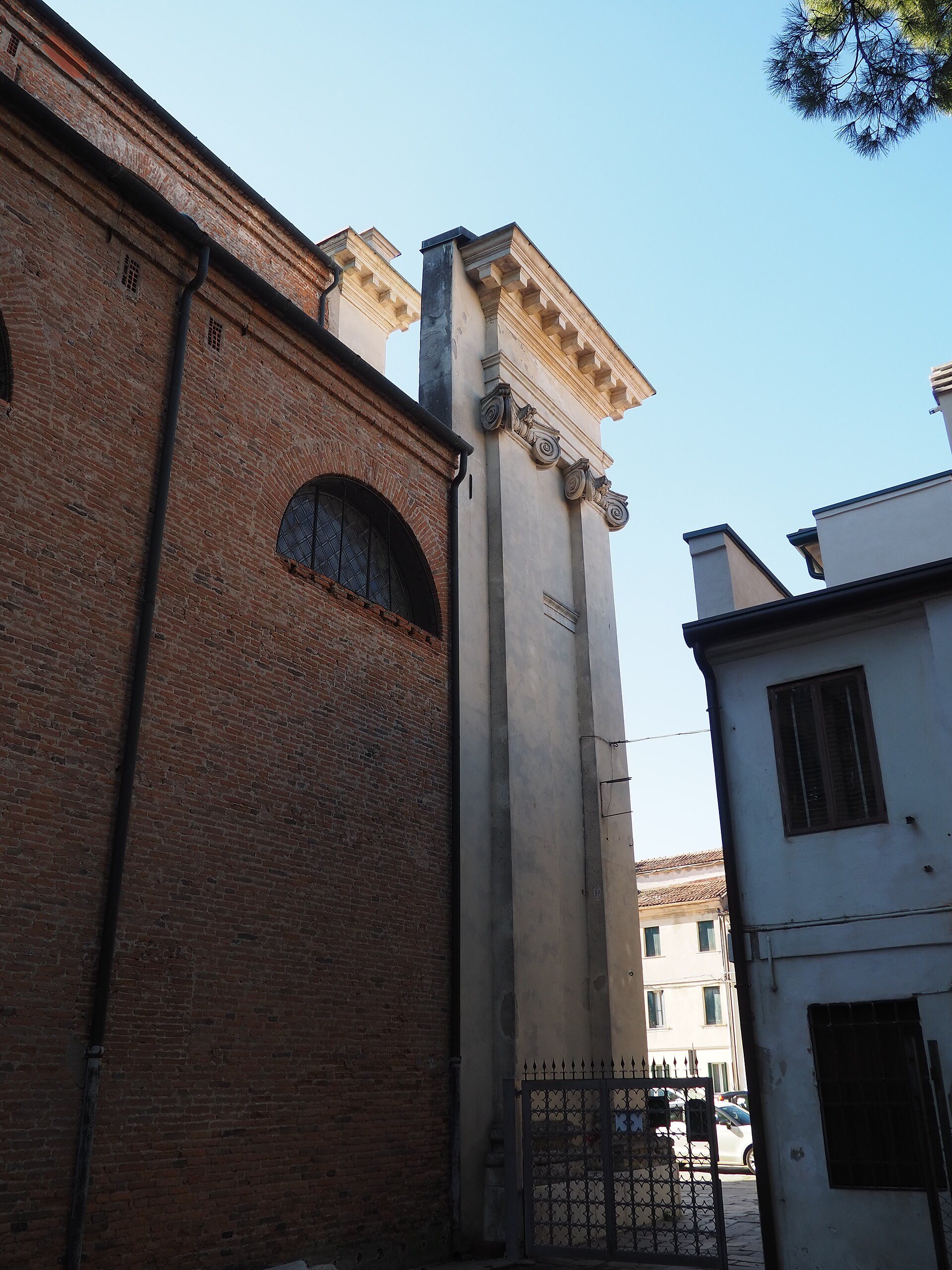
Behind the 19th-century façade of the church of San Francesco, in the heart of Rovigo, lies a story few locals know. Here, in the Franciscan friary that Obizzo II d'Este provided for in his will at the end of the 13th century, sat the tribunal of the Inquisition for the diocese of Adria and Rovigo.
The first inquisitor on record appears in 1547. These were the years when the ideas of the Protestant Reformation were circulating in the Polesine too, spread through the confraternities. Among them were the ideas of the Anabaptists.
One of them was called Benedetto da Asolo. In March 1552 a witness questioned by the Venetian Inquisition said he had been drawn to Anabaptist ideas by "Benedetto de Borgo da Asolo", who "poi fu brusato a Rovigo" ("was later burned in Rovigo"). A sentence to the stake, then, carried out in the city.
The tribunal was almost always led by Franciscan friars. The exception was the Dominican Pietro Martire Frachetti, inquisitor between 1569 and 1590. Beside him sat the bishop: under Giulio Canani, bishop from 1554 to 1591, it was in fact the Curia itself that pursued heresy so vigorously as to leave the friars little room.
Hearings were often held in the Palazzo Pretorio, in the presence of the Venetian podestà and his advisers; at other times in the bishop's palace or in the friary of San Francesco. It was not only heretics who were tried: in the second half of the 16th century, accusations of magic and witchcraft also came before the judges.
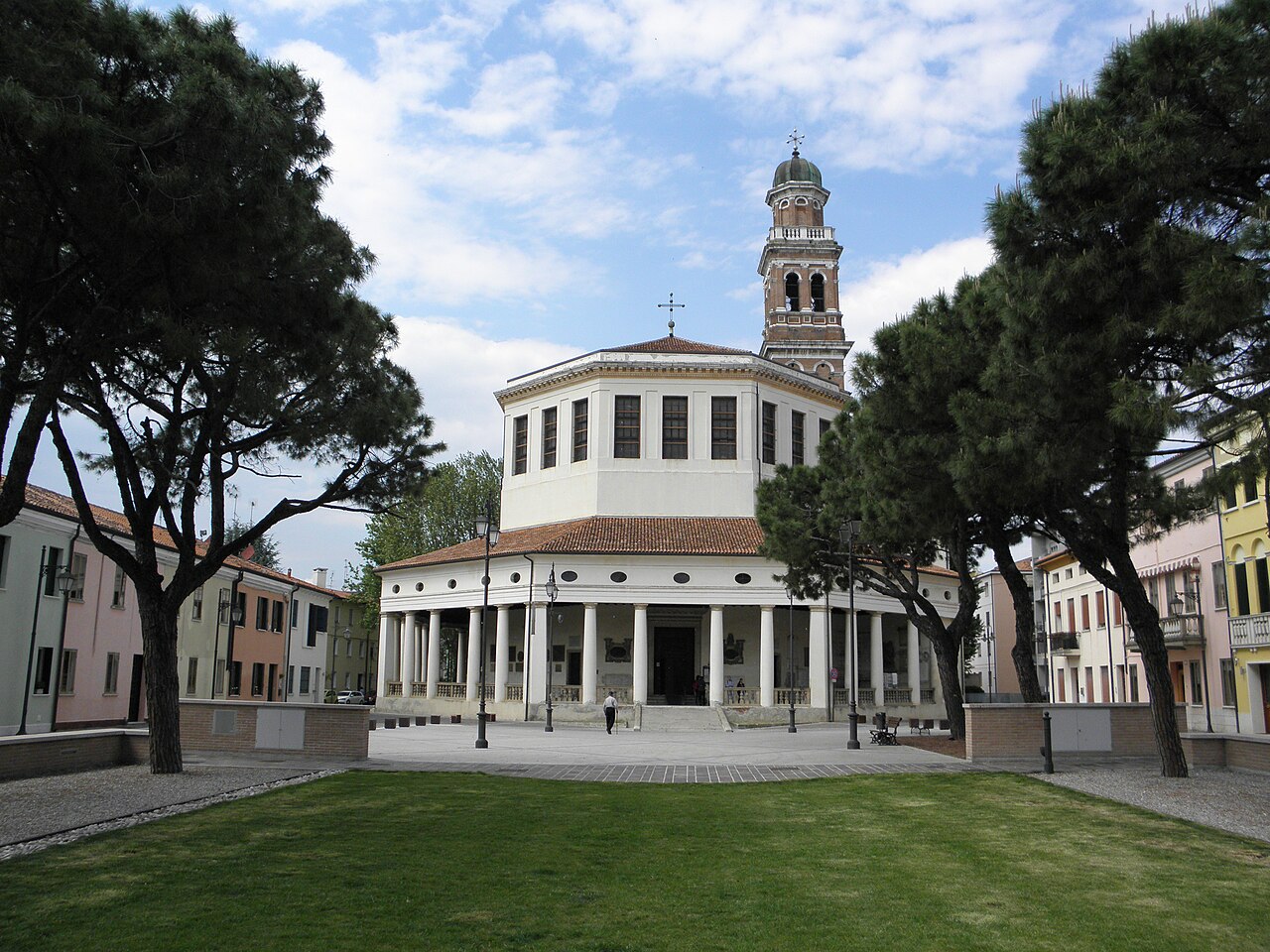
Here the line between history and legend grows thin. According to stories handed down in the city, witches gathered where the Tempio della Rotonda now stands, to weave spells and brew love potions. No document confirms it: it is popular memory that gave the fears of the time a place.
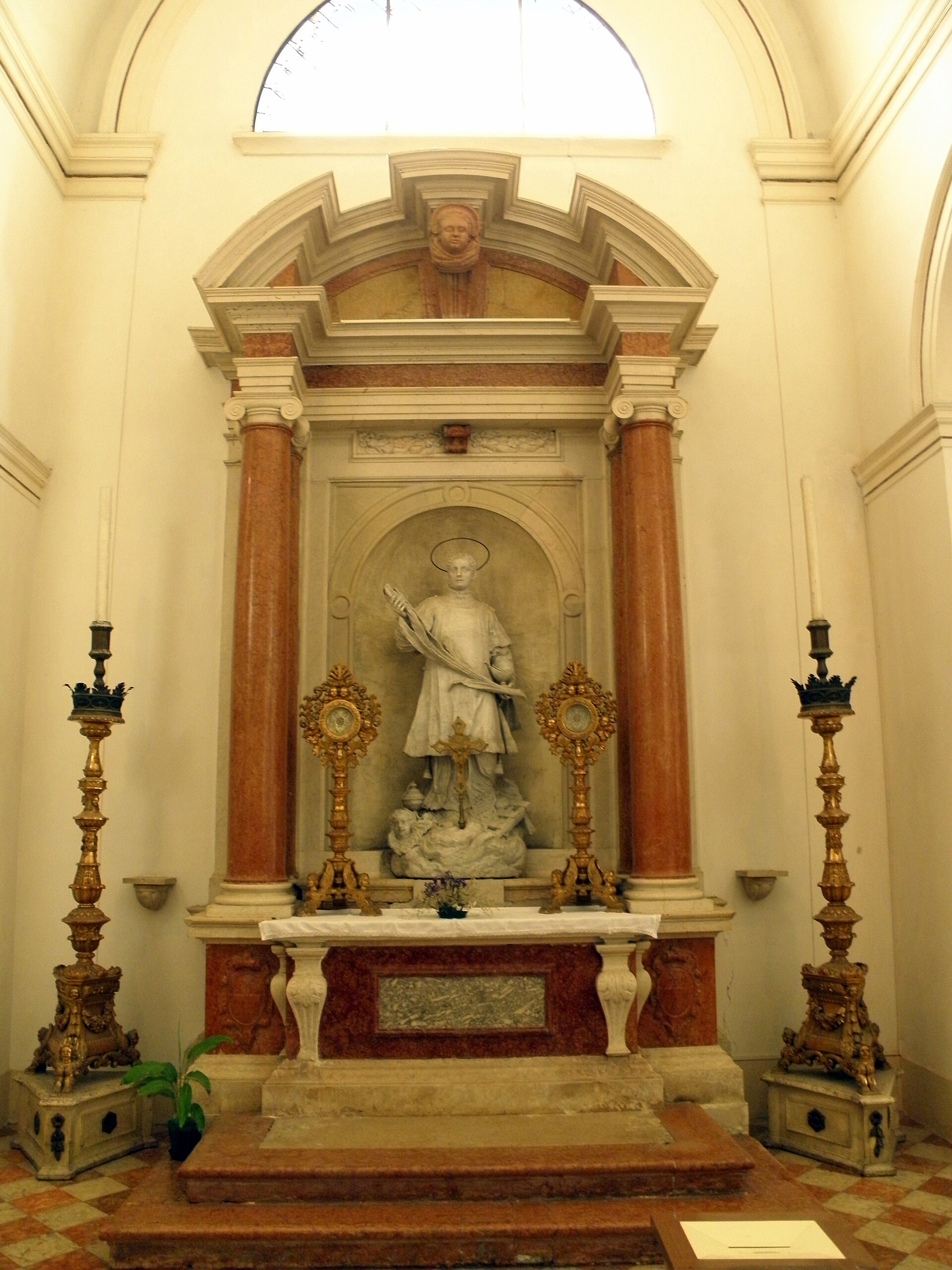
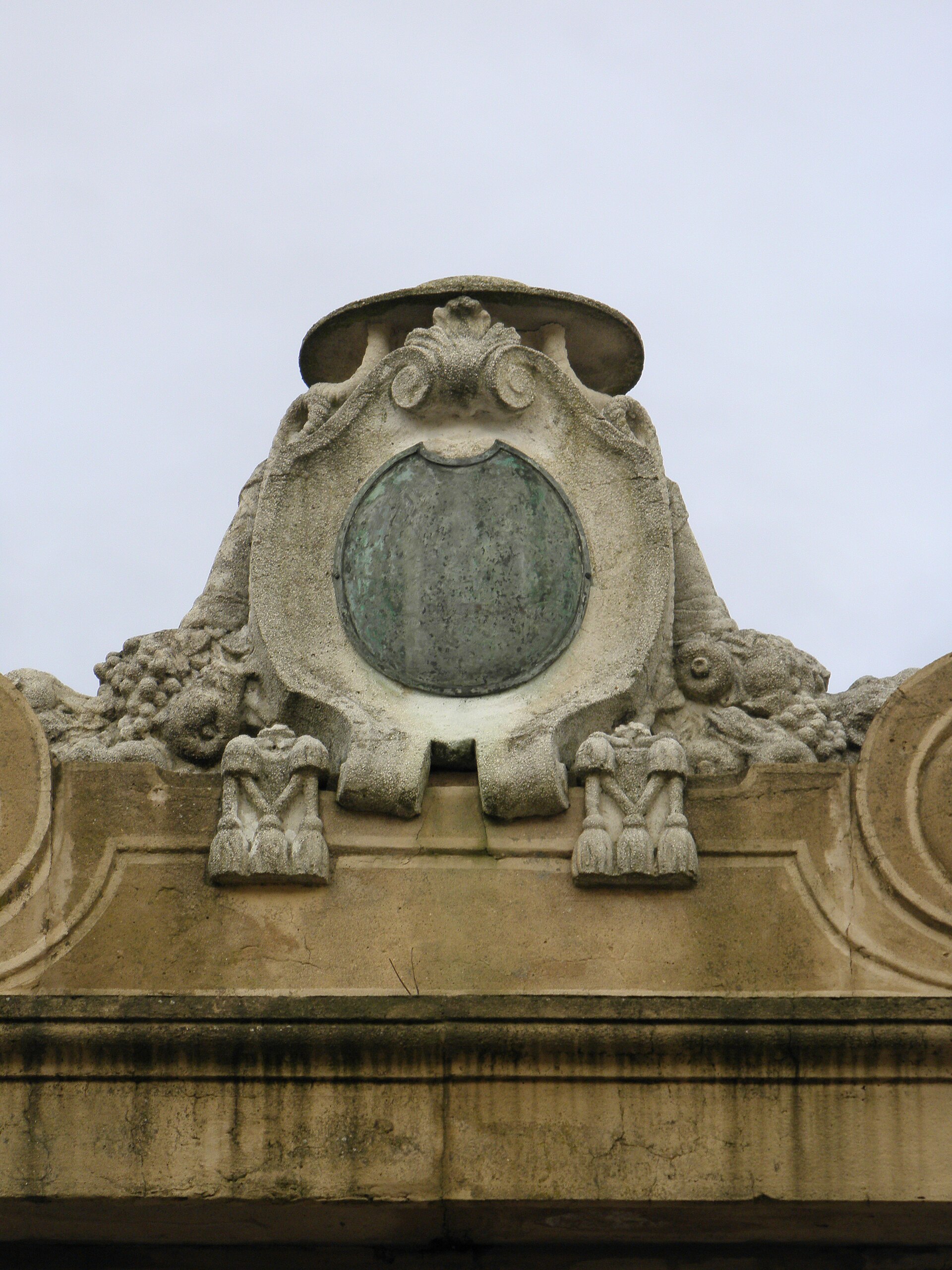
The tribunal was dissolved with the fall of the Republic of Venice in 1797. Today what remains of the friary is part of the cloister, a 14th-century chapter house and, on either side of the portal, coats of arms bearing the Este eagle. Stepping into San Francesco, where you can admire a Pietà by Tullio Lombardo, means walking over a forgotten chapter of the city.